Key Takeaways
- A workable MOQ for a custom PC thermal bottle is often 1,000-3,000 units per color, with sampling in 7-12 days and production in 25-40 days
- For B2B orders, lock material, wall thickness, insulation target, print method, and carton spec before paying the 30% deposit
- AQL 2.5 for major defects and 4.0 for minor defects is a sensible baseline for custom drinkware final inspection
- If you sell into the EU or North America, confirm REACH, LFGB or FDA contact compliance, plus drop, leak, and coating adhesion tests before shipment
You are not buying a bottle. You are buying an on-time ship date, an AQL result, a landed cost, and a product that does not trigger complaints three weeks after launch. That is where sourcing from a pc thermal bottle factory gets messy fast. The sales sheet looks clean, but the line still has to prove lid fit within 0.3 mm, printing adhesion after tape test, and carton drop resistance before we ship.
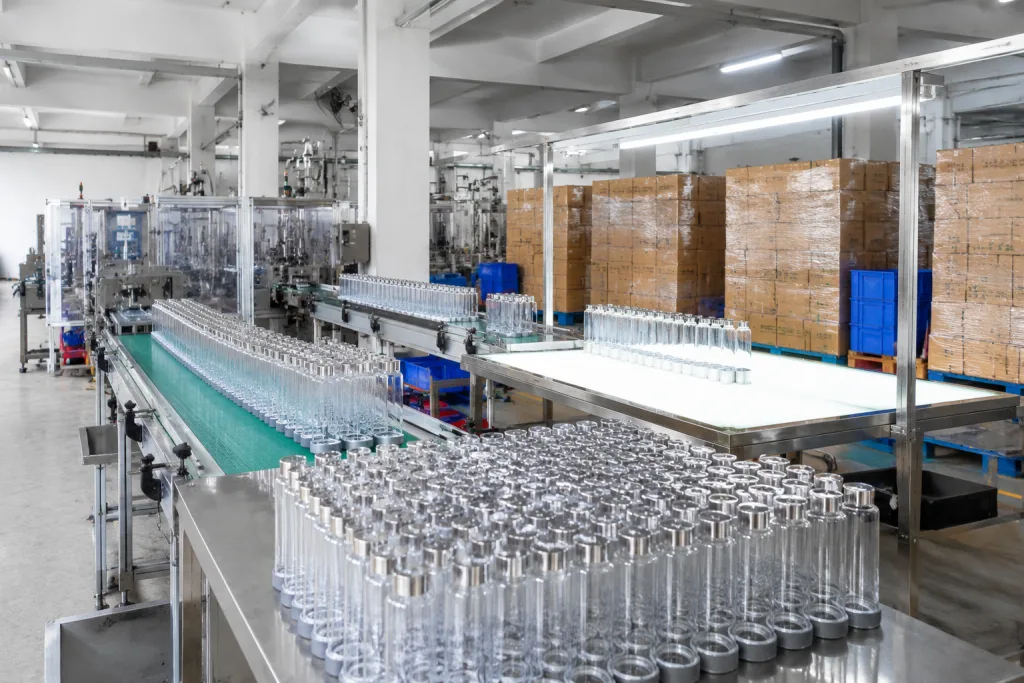
A practical buyer in Europe or North America needs more than a catalog. You need to see how one order runs from drawing to sample, then tooling, mass production, AQL inspection, and FOB loading in China. In Zhejiang, where 200-plus drinkware factories sit within a few hours' drive, the right questions can save 12 days vs 18 days on a sample loop. The wrong question is usually price first. We have seen this go sideways after QC pulled the sample, found logo misalignment, and the buyer flagged a PO typo only after cartons were booked.
Start with the real order brief
Use a real brief first. Say you are buying for a mid-sized outdoor brand in Germany, and the line needs a 650ml insulated bottle with a clear PC outer body look, food-contact inner liner, carry loop, and one-color logo. The wrong first question is “best price.” We see 7 out of 10 new RFQs start there, then the quote moves after our engineer checks the lid drawing, wall thickness, and logo size on the caliper.
A serious RFQ should state the non-negotiables:
- Capacity: 650ml usable volume, not brimful volume
- Body construction: PC outer component plus stainless or approved food-contact internal structure if thermal performance is required
- Insulation target: for example, keep water above 55°C after 6 hours from 95°C fill at room temperature
- Decoration: choose 1-color silkscreen for flat cost control, laser mark for stainless areas, or wrap print if the artwork needs more coverage
- Packaging: egg-crate master carton for bulk shipment or individual color box when the distributor sells by unit
- Compliance market: EU, US, or Canada, because the test file and material declaration are not the same
This is where an experienced canteen manufacturer or canteen supplier in Zhejiang should give a straight answer on structure. PC is not the insulation engine. If you want a genuine thermal bottle, the heat retention normally comes from double-wall vacuum stainless steel or another engineered structure, and our vacuum test bench will show the gap fast. A reliable canteen factory in China should say this before sampling; we have seen projects go sideways when a buyer approved a clear PC look and expected stainless-vacuum performance without the inner build.
If you also handle a wider custom drinkware range, compare this bottle with a custom canteen, a customizable growler, or a customized growler as separate factory jobs. Same silhouette, different cost. One growler lid may need a 42mm thread gauge check, while the 650ml bottle may fail carton drop testing because the carry loop rubs through the color box corner after 12 drops.
How the quote gets built
Once the brief is clear, the quote stops feeling soft. At BottleForge Industrial in Hangzhou, Zhejiang, the first-pass quote usually breaks into five cost blocks: material, tooling or mold revision, decoration, packaging, and export terms. On our side, a factory running about 300,000 units per month should return a usable quotation within 24-72 hours if the spec sheet is complete and the 2D drawing is not missing lid or thread details.
For a 650ml program, the pricing logic usually looks like this:
- MOQ: 1,000 units for standard color combinations, 3,000 units if you need new color masterbatch or complex lid parts
- Sample fee: USD 50-150 for logo samples using existing mold
- Tooling: USD 800-3,500 if a cap, handle, or base mold insert must change
- Unit price: roughly USD 3.20-6.80 FOB Ningbo depending on structure, print, and pack-out
If you are a canteen distributor, or one of 6 to 10 canteen distributors supplying retail chains, ask the factory to show exactly where the price moves. This is the right question. A solid canteen vendor should tell you why one lid adds USD 0.28, why a powder-coated stainless component adds USD 0.45, or why an individual gift box adds USD 0.22 plus more CBM. We ship quotes like that every week, and if the line item is vague, the buyer usually flags it on the same day.
This is where buyers get stuck on generic phrases such as canteen custom, canteen customizable, or canteen customized. Those are sales words. What you need is a bill of materials. Ask for resin grade, stainless grade such as 304 or 316 where applicable, silicone hardness, wall thickness, and net weight tolerance. Put numbers on it: 1.2 mm wall, Shore A 60 silicone, +/-8 g net weight if that is the actual control. QC pulled the sample more than once because the PO said "food grade silicone" and nothing else. If a canteen manufacturer cannot supply those numbers, the quote is not mature enough for approval.
A cheap quote with open material specs is usually not cheap. It is only incomplete.
For North American programs, ask early if the factory can support FNSKU labeling, carton marking, and Amazon prep if your item may feed an FBA channel later. We have seen this go sideways when the outer carton mark was printed 12 mm short and the warehouse rejected the lot. That is basic distributor canteen planning, not an afterthought.
Sampling before you lock production
After quote approval, sampling needs to close technical points, not just visual ones. Buyers often spend 10 days arguing over logo position, then miss lid torque, spout flow rate, and leak risk after a carton drop test. We have seen QC pull a clean-looking sample that still failed after 2 hours inverted because the silicone ring was sitting 0.6 mm off. A proper sample stage from a China canteen supplier usually takes 7-12 days for an existing mold and 15-25 days if new tooling is involved.
Ask for three sample levels if the project matters:
- Factory stock sample: confirm the general shape in hand, grip feel, and drinking comfort
- Pre-production sample: confirm the exact color, print position, and final assembly method from the line
- Golden sample: get it signed by both sides and keep it for inspection reference
For a pc thermal bottle factory project, your sample checklist should include:
- Capacity check with ±3% tolerance
- Weight check with ±5g to ±10g depending on SKU
- Leak test for 2 hours inverted and 10 cycle open-close retest
- Handle pull test, often 10kg static load for 1 minute if a loop is present
- Coating or print adhesion by cross-hatch or tape pull
- Odor check after hot water fill
If you are sourcing a custom growler, customizable canteen, or customized canteen in the same sourcing round, keep separate signed sample records. This sounds basic. Teams still mix them up. We have seen one PO marked "approved blue lid" get applied to the wrong SKU, and the buyer flagged it only after bulk packing started. Too many distributor growler and distributor drinkware programs fail because teams carry one approval across another item, and this is the wrong question to skip.
A solid canteen vendor in Zhejiang or elsewhere in China should also tell you what the sample does not prove. One hand-made sample does not guarantee production consistency. It only sets the standard. On our side, the line still needs process control, gauge checks, and final inspection against that signed sample. Mass production control is the next job.
Mass production controls that matter
Once you place the order, the usual payment term is 30% deposit and 70% balance against inspection approval and shipping documents. Production lead time for custom drinkware is commonly 25-40 days after sample approval, depending on season and parts complexity. After sample sign-off, freeze the specification sheet. Full stop. No casual changes to Pantone, loop material, or inner stopper design unless you want the line to stop and the ship date to slide. We have seen one PO typo on a lid color code hold packing for 2 days.
The better factories in Zhejiang and other drinkware clusters in China run production through a few checkpoints that actually matter on the floor:
Incoming material control
PC resin batch, stainless tubes, silicone seals, paint, and print ink should be checked against approved standards. On our side, QC usually pulls the sample from incoming stock and checks color against the signed panel under a light box before material hits the line. If your order is sold as canteen promotional merchandise, color drift and logo mismatch usually get flagged before a small cosmetic mark. Buyers push back hard on this.
In-line assembly checks
Watch the lid fit, thread engagement, weld appearance, burrs, and print registration. This is where the math works. Fixing a bad print setup at the pad printer takes minutes; catching the same issue after packing costs cartons, labor, and rework. We run spot checks on thread feel and print position during assembly because a misaligned logo found after sealing the inner bag is an expensive mistake.
Finished goods inspection
Set a defect standard in writing. For most B2B orders, AQL 2.5 for major defects and AQL 4.0 for minor defects is a practical default. Define what counts as major. This is the wrong question to leave vague:
- Leakage
- Sharp edge
- Wrong logo artwork
- Food-contact contamination
- Broken handle or cap crack
If you are a canteen distributor, canteen distributors group, or canteen vendor network buying for several accounts, ask for production photos by batch and date code control on cartons. We ship this way for mixed-account orders because one retailer complaint usually comes back to one lot, one date, one carton mark. That traceability saves time.
Do not ignore packaging QC. A bottle that passes leak tests but fails a 76cm carton drop test can still cost you plenty. For export master cartons, confirm carton board strength, partition style, gross weight under around 18kg if manual handling matters, and barcode legibility. We have seen QC pull a sample just because the outer carton barcode scanned on one side and failed on the other.
Compliance is not a checkbox
Buyers often ask if a pc thermal bottle factory is "certified," as if one paper clears the whole project. It doesn't. Compliance sits on the bottle structure, the destination market, and the exact parts touching liquid. We see this on the line all the time: a 1.2 mm silicone seal can pass on one SKU and fail on another because the lid construction changed. A capable canteen factory or canteen manufacturer should split factory audits from product compliance documents. Mixing them is the wrong question to ask.
For Europe, common requests include REACH-related declarations and sometimes LFGB testing for food-contact parts. For the US market, FDA food-contact expectations and, depending on category, California Proposition 65 attention may come up. If children are involved, ASTM or CPSIA-related requirements may apply to a kids item, but not automatically to every bottle. One buyer flagged this last season after a PO typo marked a standard 500 ml bottle as a kids item, which changed the document list overnight.
Ask for evidence tied to your SKU, not a random old report:
- Material declaration: for PC, stainless steel, PP, silicone, paint, and ink, matched to the BOM QC pulled with the sample
- Migration or food-contact report: from a recognized lab where needed, based on the actual lid, liner, and seal set
- Factory audit status: BSCI, ISO 9001, or similar if your retailer requires it, with the current validity checked
- Test plan: leak, thermal retention, dishwasher guidance, coating adhesion, and drop test, with pass criteria written before mass production
If you are buying custom canteen, custom drinkware, or customized drinkware for a retail private label line, make sure the report matches the final decorated version where relevant. Decoration inks and coatings can change the risk profile. We've seen this go sideways when the buyer approved a matte print, then switched to a metallic ink after sampling without rechecking the food-contact file.
A practical point: do not wait until goods are finished to ask for testing. If the lab fails the print ink or seal material, you now have stock that may need rework. The math doesn't work. We ship too many repeat programs to treat compliance as end-of-line paperwork. Good China factories build compliance checkpoints before full packing; one common gate is sample sign-off before the first 500 pcs run. That is the difference between a canteen supplier who exports regularly and one who mainly sells domestic stock.
Shipping, claims, and repeat orders
After final inspection passes, freight choices can move your total landed cost almost as much as the unit price. Most custom drinkware shipments from Zhejiang run FOB Ningbo or FOB Shanghai. If your volume is below one full container, ask for both LCL and airfreight quotes. We have seen a 650ml thermal item with a gift box jump from workable to freight-heavy just because the carton was 18 mm wider than the first packing plan.
Before you release the balance payment, check these shipment points:
- Final invoice matches PO quantity and unit price
- Packing list matches carton count and gross weight
- Outer carton marks are correct for SKU, color, and destination
- Inspection report includes defect photos and quantity sampled
- Spare parts policy is written, especially for lids and seals
Claims handling matters more than promises. Ask your canteen suppliers or canteen vendors one direct question: if 2% of lids leak in the field, what happens? This is the right question. A solid answer sounds like this: replacement lids in the next shipment, a credit note based on verified claim quantity, and a root-cause report within 7 working days. QC pulled the sample, found the silicone seal sitting high by 0.6 mm, and that told us more than a polished email ever would. Vague answers usually stay vague after shipment.
For repeat business, keep a live product file: approved artwork, Pantone, BOM, carton spec, test records, and golden sample photos. We run this file from the first PO, and it saves time fast. One buyer flagged a lid color shift on a repeat order, and we traced it back to an old Pantone note that was typed wrong on the PO. That file turns a one-off order into a scalable program for a canteen distributor, distributor canteen account, or broader customizable drinkware line.
The best long-term relationship with a pc thermal bottle factory is not built on the lowest opening quote. It is built on stable specs, predictable lead time, and honest correction when something goes wrong. We have seen the low-price option slip from 12 days to 18 days because the line was waiting on a mold change, and the math does not work once your inventory goes short. If a factory in China can do that consistently, you can plan inventory instead of gambling on it.
Get your bottle spec reviewed before ordering
Send your target capacity, materials, logo method, MOQ, and market requirements. We will review the structure, quote realistically, and flag QC risks early.
Frequently asked questions
What is a normal MOQ for a pc thermal bottle factory?
For existing molds, a normal MOQ is usually 1,000 units per SKU and colorway, though some factories in China will quote 500 units with fewer color options or plain packaging. If you need a new lid color, custom strap, or dedicated box, expect 2,000-3,000 units to keep costs sensible. For large retailer programs, the MOQ can rise to 5,000 units if the specification is unique. Always ask whether MOQ is based on total order quantity or per decoration. A one-color logo on 1,000 bottles is very different from four logo variants across 250 units each. The lower the split, the higher the real unit cost and the greater the packing complexity.
How long should sampling and mass production take?
For a standard custom drinkware project using an existing mold, sampling normally takes 7-12 days after artwork and Pantone confirmation. If tooling changes are needed, allow 15-25 days for mold work and revised samples. Mass production is commonly 25-40 days after signed sample approval and deposit payment. In peak season, especially before August and October shipping windows, some Zhejiang factories push to 45 days. If the order includes third-party lab testing, add about 5-10 working days depending on the test scope. Ask the factory to separate sample lead time, production lead time, and testing lead time in writing so your internal launch plan stays realistic.
What quality standard should I use for final inspection?
A practical baseline for B2B drinkware is AQL 2.5 for major defects and AQL 4.0 for minor defects, with critical defects at zero tolerance. Major defects usually include leakage, cracked parts, wrong logo, sharp edges, missing components, or contamination on food-contact surfaces. Minor defects often include small print offsets, light scuffs within an agreed area, or carton mark issues. You should also define functional tests beyond AQL, such as 100% leak testing, random hot-water retention checks, and barcode scan verification. For a 1,000-unit order, ask the inspector to document sample size, defect classification, and clear photos. AQL only works if defect definitions are agreed before production starts.
Which compliance documents should a canteen manufacturer provide?
That depends on your market and the actual bottle structure, but for EU and North American programs you should at least ask for material declarations and food-contact compliance support for all relevant parts. That typically includes PC, PP, silicone, stainless steel, paint, and printing ink. Depending on destination, you may need REACH-related declarations, LFGB support for Europe, FDA food-contact alignment for the US, and possibly Proposition 65 screening. If your retailer also requires social or quality audits, ask for BSCI or ISO 9001 status separately. Do not accept a random test report from a different SKU. The document should match your product construction, decoration process, and where necessary the final production configuration.
How do I reduce claim risk on a first order from China?
Start by reducing ambiguity. Use a written specification sheet covering capacity, dimensions, material grade, decoration method, packaging, carton marks, and defect standards. Approve a golden sample and make it the inspection reference. Ask for in-line production photos, not just final packed goods photos. Use a third-party pre-shipment inspection with AQL 2.5/4.0 and include leak, drop, and barcode checks. Keep payment terms disciplined, such as 30% deposit and 70% after inspection pass. Finally, agree a claims procedure before production: response time, evidence needed, and remedy options such as replacement parts, credit note, or remake thresholds. Good canteen suppliers in Zhejiang will not resist this; they already work this way with serious B2B buyers.