Key Takeaways
- 304 stainless steel is the safe default for alcohol flask wholesale bulk; expect wall thickness around 0.5 mm and lower corrosion risk than 201.
- For branded orders, laser engraving adds about USD 0.15-0.35 per unit, while color printing or UV decoration can add USD 0.20-0.60 depending on area.
- A 500-1,000 pcs MOQ is common for standard flask models; custom shapes, gift boxes, or mixed colors usually push MOQ higher.
- Ask for leak testing, salt spray checks, and AQL 2.5 inspection terms before you approve bulk canteen or canteen wholesale orders.
If you are buying alcohol flask wholesale bulk, do not treat it like a simple SKU. Wrong question. You are buying a small metal container that has to pass a leak test, hold a clean decoration, meet compliance, and still land at a price your channel can carry. The failures show up fast: wet cartons, customs holds, 3-star reviews, or 2,000 pcs sitting in the warehouse after the gift box corner crushed in transit. A 304 stainless flask with laser engraving does not behave like a powder-coated promo flask or a leather-wrapped gift set. QC pulled one 6 oz sample last month with a 0.3 mm cap gap; it looked fine in photos, then failed the inverted water test in 90 seconds.
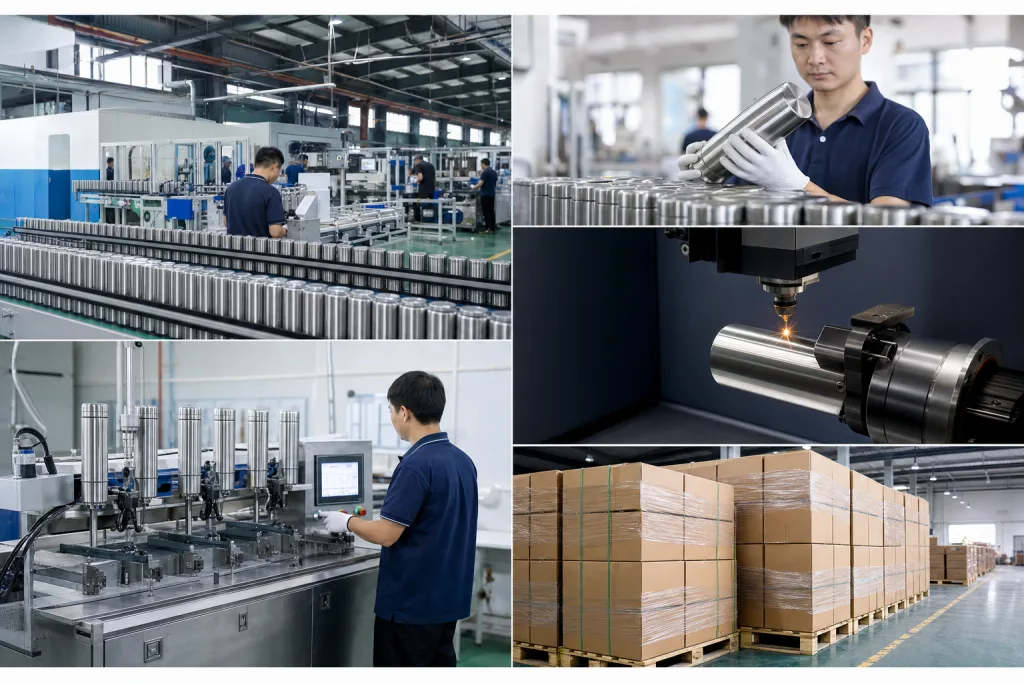
From our factory in Zhejiang, we push buyers to lock four items before pricing: material grade with thickness, capacity, decoration method with artwork tolerance, and packaging spec with drop-test needs. That is where the margin sits. If you need bulk drinkware or drinkware wholesale supply, the logic is similar, but flasks give less room for error because the seal and surface finish must survive retail handling, not just a clean studio shot. We run 120,000 units per month on the Hangzhou line, with a typical MOQ of 500 pcs for standard flasks and 30 to 45 days lead time after sample approval. One buyer once asked us to cut the sample stage to save 6 days; the math did not work after their PO had “matte black” typed as “mate black” and the line had already prepared the powder code.
Start With the End Use
Before you compare quotes, pin down where the flask will be used. Trade show giveaway, retail gift set, and private-label ecommerce SKU do not run on the same spec. For consumer gifting, buyers usually care more about the brushed finish, window box, and logo position than saving USD 0.08 on the body. For outdoor resale, the math changes. Seal test, scratch resistance, and clean filling matter first; last month QC pulled a 6 oz sample after the alcohol port measured 14.6 mm and made filling slow on the line.
We ask for the sales channel first because it stops bad sampling. A 6 oz flask is common for gifts, while 8 oz and 12 oz move better when customers want carry capacity that feels practical. If you are also buying bulk drinkware or drinkware bulk across a broader program, match the flask to the rest of the line: same finish family, carton size that stacks with your cups, and packaging copy that does not fight the bottle range. Random specs cost money. We have seen buyers mix mirror polish flasks with powder-coated tumblers, then complain when the 5-ply master carton hit 13.8 kg and the freight cost per unit stopped making sense.
For alcohol flask wholesale bulk, use one rule: do not approve a decorative sample until you have handled a pre-production sample with the final cap, gasket, and packaging. Photos lie. A flask can look clean on a light box and still leak after a 1.2 m drop test if the cap thread is loose or the silicone ring is 0.3 mm undersized. We run the sample with the actual PE bag, insert card, and gift box because transit is where nice-looking flasks go sideways.
Choose the Right Steel Grade
Material choice is not a branding detail. It changes taste neutrality, dent resistance, and compliance risk. For most alcohol flask wholesale bulk programs, 304 stainless steel is the practical baseline. It costs about USD 0.12–0.28 more per 6 oz flask than 201 stainless on recent quotes, but the math works better once you count complaints, rust claims, and buyer confidence. We run most flask bodies at 0.5 mm wall thickness; simple promo shapes can drop to 0.4 mm if the gift box passes a 1.2 m carton drop test and the inner tray does not crush at the corners.
Buyers sometimes ask for 201 stainless to chase a lower FOB price. That is fine only if the flask is marked as a short-life promo item and the MOQ is built around price first, not repeat orders. For retail or gift use in Europe and North America, 304 is the safer bet. You are selling trust, not just metal. For a coated or wrapped flask, confirm that the base steel still meets your target spec; QC pulled one black PU-wrapped sample last year that looked clean outside but showed rust spots after a 24-hour salt spray check. Nice finish, bad core.
“The cheapest flask is expensive if it leaks, stains, or comes back as a complaint.”
If you are comparing alcohol flask bulk against categories like wholesale canteen or wholesale drinkware, the same steel logic applies. About 7 out of 10 RFQs we see start with item price, then the buyer flags leakage rate only after the first sample round. This is the wrong question to ask. In Zhejiang, the programs that last start with material control, then decoration proofing with a 3M tape test, then packaging strong enough for export cartons stacked at 14–16 kg.
Lock the Capacity and Shape
Flasks are small, but capacity still decides the sell-through. The main sizes are 4 oz, 6 oz, 8 oz, and 12 oz. For retail, we usually steer buyers to 8 oz because it fills a hand well, fits standard pocket-style gift boxes, and leaves enough flat area for a clean logo. Last month QC pulled an 8 oz pre-production sample with a 52 mm imprint window; the logo passed, but the buyer’s 68 mm artwork had to be reduced. Check the print area early. A wider body gives the logo more face, but it also changes the insert tray, master carton count, and pallet height.
Shape carries the same weight as volume. A curved hip flask is the classic choice. Straight-sided flasks stack better in cartons and make laser engraving alignment faster on the jig. Rounded shoulders feel better in hand, while a slim body cuts pocket bulk. If your program also includes canteen bulk, canteen wholesale, or bulk canteen products, keep the side profile and cap proportions close enough that the shelf set looks planned. We’ve seen this go sideways: one buyer mixed 8 oz flasks with round canteen SKUs, then found the packaging footprints were 14 mm apart and the display tray had to be remade.
For large retail orders, ask for carton loading data before you approve the PO. Do it before artwork lock. In a 20-foot container, the gap between a compact 8 oz flask box and a bulky gift set can push unit freight up by several cents. The math hurts at 50,000 units. We run a carton drop check and a loading estimate from the final gift box size; if the PO says “standard box” but the buyer expects a funnel, window lid, and EVA insert, the carton count changes fast.
Decoration Drives Your Margin
Pick decoration by target shelf price, not by mood. Laser engraving looks clean, survives pocket wear, and is usually the safer call for premium flask programs. It typically adds about USD 0.15-0.35 per unit depending on logo size and setup. Silk screen printing costs less for a one-color logo, but after a few hundred rub cycles on our test fixture, cheap ink starts to show. UV printing and full-color transfer can carry detailed artwork, but the math gets tight once you count surface cleaning, curing time, and rejects from dust under the coating.
For alcohol flask wholesale and alcohol flask in bulk programs, decoration is also a QC issue. One sample can look fine, then 3,000 pcs run with the logo 1.5 mm off-center because the jig was not locked down after lunch. We run first-article approval on the line, check the artwork proof, confirm the Pantone reference, and write the acceptable variation before production starts. Do it before deposit release. If you need to compare methods, see silkscreen vs laser engraving for wholesale drinkware.
One practical point: if you are selling into North America, subtle branding usually beats oversized decoration. We have seen buyers flag a 45 mm full-color logo as “too promotional” on a sample, then approve the same flask with a 22 mm engraving on brushed 304 stainless. A clean engraved logo reads as better quality than a loud print on a low-cost flask, especially when the product sits beside beer tumbler bulk or beer tumbler wholesale items in a mixed gift set.
Pack for Retail, Not Transit
Packaging can make or break the margin. A plain polybag plus 5-layer master carton keeps the unit price low, but 8 out of 10 retail buyers we quote ask for a printed box, insert, or hang tag before they issue the PO. For alcohol flask wholesale bulk, packaging is part of the product, not an afterthought, because it protects the brushed finish and gives the shelf set a finished look. If the box is 3-4 mm too loose, the flask rattles during a 76 cm drop test and comes out with rub marks near the shoulder. Too tight is no better. QC pulled one sample last month where the EVA insert gripped the cap so hard the buyer thought the flask was defective.
Ask for packaging dimensions early. Freight planning, Amazon prep, and retail shelf fit depend on the finished pack, not the loose flask measurement from the drawing. If you need FBA-ready cartons, barcode labeling, or set assembly, put it in the sample request before the gold sample is signed off; changing a box after approval usually costs 7-10 days because the paper supplier has to cut a new die. The cost impact is real: a simple kraft box may add USD 0.12-0.25, while a rigid gift box can add USD 0.60-1.20 or more depending on paper stock and inserts. We’ve seen this go sideways when a buyer approved the flask first, then flagged the carton height after the 20 cartons were already packed. If you are building a broader line that includes beer growler wholesale, beer growler bulk, or beer growler wholesale bulk, keep carton rules consistent so your warehouse team does not fight mixed pack formats.
- Confirm inner protection for brushed, painted, and coated finishes; a 0.5 mm PE foam sleeve can prevent cap rub during sea freight.
- Request drop-test guidance for the final packout, including corner drop and flat drop height.
- Use a master carton that matches pallet pattern, not just item count; the math does not work if 24 pcs saves space on paper but overhangs a 40 x 48 inch pallet.
- Ask for carton marks in English if you ship to the U.S. or Canada, and check PO spelling before we print 500 labels.
Price the Risk, Not the Quote
Two suppliers can quote the same flask at USD 1.05 and USD 1.22, and the lower number can still land higher after cartons, retest, and rework. We see this on the line all the time. A buyer once sent a PO with 24 pcs/carton typed as 42 pcs/carton, and that typo alone changed the freight math. Ask for FOB price, mold cost if any, decoration cost, packaging cost, and sampling cost as separate lines. If a supplier will not split those out, you are comparing a clean quote to a messy one, not true landed cost across Zhejiang suppliers and other China sources.
Quality control is where first-time buyers lose money. Put AQL 2.5 on major defects and 4.0 on minor defects for a standard retail flask; tighten it if the item is going into premium giftware. QC pulled the sample last week and found a 0.35 mm burr at the weld seam, which would have turned into a leak after a few wash cycles. Request leak tests, visual checks for weld seams, and cycle testing for any cap hinge or gasket. For European orders, ask for REACH and food-contact declarations if the flask may contact consumable liquids. For North America, the buyer file should also include carton labeling and, if relevant, Amazon FNSKU prep. The wrong question is whether inspection costs money; the right one is what one leak return does to the margin.
If you are evaluating the best wholesale drinkware or the best wholesale drink bottle for a mixed program, do not let the cheapest flask drag down the whole line. The question is which supplier holds spec at scale, with clean communication and steady repeatability. At MOQ 1,000 pcs, one off-color cap is a headache; at 20,000 units, it turns into a full pallet of complaints. On our torque tester, cap fit, and carton drop test, we learn more than from one pretty pre-production sample. In our Hangzhou facility, a flask that ships clean at 500 pcs and still passes at 20,000 units is the one that matters. We have seen this go sideways when the low quote wins the PO and the rework bill shows up in week 3.
Get a flask quote that matches your margin
Send your target capacity, logo method, and packaging spec. We will quote alcohol flask wholesale bulk with clear FOB pricing and realistic lead time.
Frequently asked questions
What MOQ should I expect for alcohol flask wholesale bulk?
For standard stainless flasks, a realistic MOQ is 500 pcs per SKU and color. If you want custom shapes, mixed finishes, or gift-box packaging, MOQ often moves to 1,000 pcs. For urgent replenishment, some Zhejiang factories can support smaller trial orders, but the unit price will usually rise by 8% to 20%. Always confirm whether MOQ applies per logo, per color, or per carton configuration. That detail changes the quote more than buyers expect.
What is a fair FOB price for a stainless alcohol flask?
A basic 304 stainless flask often lands around USD 0.90 to 1.80 FOB depending on size, thickness, finish, and decoration. Laser engraving, premium boxes, and tighter QC can push it higher. If someone quotes far below that, check the steel grade, wall thickness, and cap construction. A low number is not a bargain if the flask leaks or dents easily. Ask for an itemized quote so you can compare base product, logo, and packaging separately.
Can I mix flask and canteen items in one order?
Yes, but only if you treat them as separate technical specs. A flask and a canteen may share a stainless body, but their shape, cap system, and packaging are different. If you are running canteen bulk, canteen wholesale, or wholesale canteen programs at the same time, ask for one consolidated packaging plan and one QC checklist. That reduces confusion at inspection and warehouse receiving. Mixed orders are fine as long as each SKU has its own BOM and approval sample.
How do I check if the flask is leak-proof?
Use three checks: a thread-fit inspection, a gasket material check, and an actual leak test on the full packed sample. A proper factory should test with water upside down for a set time, then confirm no seepage around the cap or weld. For alcohol flask bulk orders, ask for test records on the first production run and again before shipment. If the design includes a hinge or screw cap, request cycle testing too. A clean sample is not enough if the production line drifts.
What compliance documents should I request from a China supplier?
For Europe, ask for REACH-related material declarations and food-contact support documents if the flask will contact beverages. For North America, request food-safe material statements, carton labels, and any test reports your retail channel requires. If you are sourcing from Zhejiang or elsewhere in China, also confirm factory audit status such as BSCI if your importer or retailer asks for it. The important point is to collect documents before payment, not after shipment. That keeps customs and retail onboarding predictable.