Key Takeaways
- A real 316 stainless steel thermos bottle factory should hold vacuum-loss and leak-rate specs across 5,000+ units, not just samples
- For bulk thermos orders, 304 inner liners usually cost USD 0.35-0.80 less per unit than 316, but 316 is worth it for acidic drinks and premium positioning
- Insist on 0.4-0.5 mm inner wall thickness, 0.5-0.6 mm outer wall thickness, and a tested vacuum hold standard before PO
- Lead time from Zhejiang factories is typically 25-35 days for production, with MOQ often starting at 1,000-3,000 units by model
- Leakage, lid torque, and coating adhesion are the three failure points that hurt distributors thermos programs the most
When buyers ask for a 316 stainless steel thermos bottle factory, they usually want one thing: fewer surprises after the first container lands. That instinct is right. Thermos problems rarely show up in a sample. They show up in production drift, weak welds, vacuum loss, off-spec lids, and coating defects that only appear after 2,000 or 20,000 units. If you buy promotional thermos or bulk thermos programs without a hard spec, you are guessing with your margin.
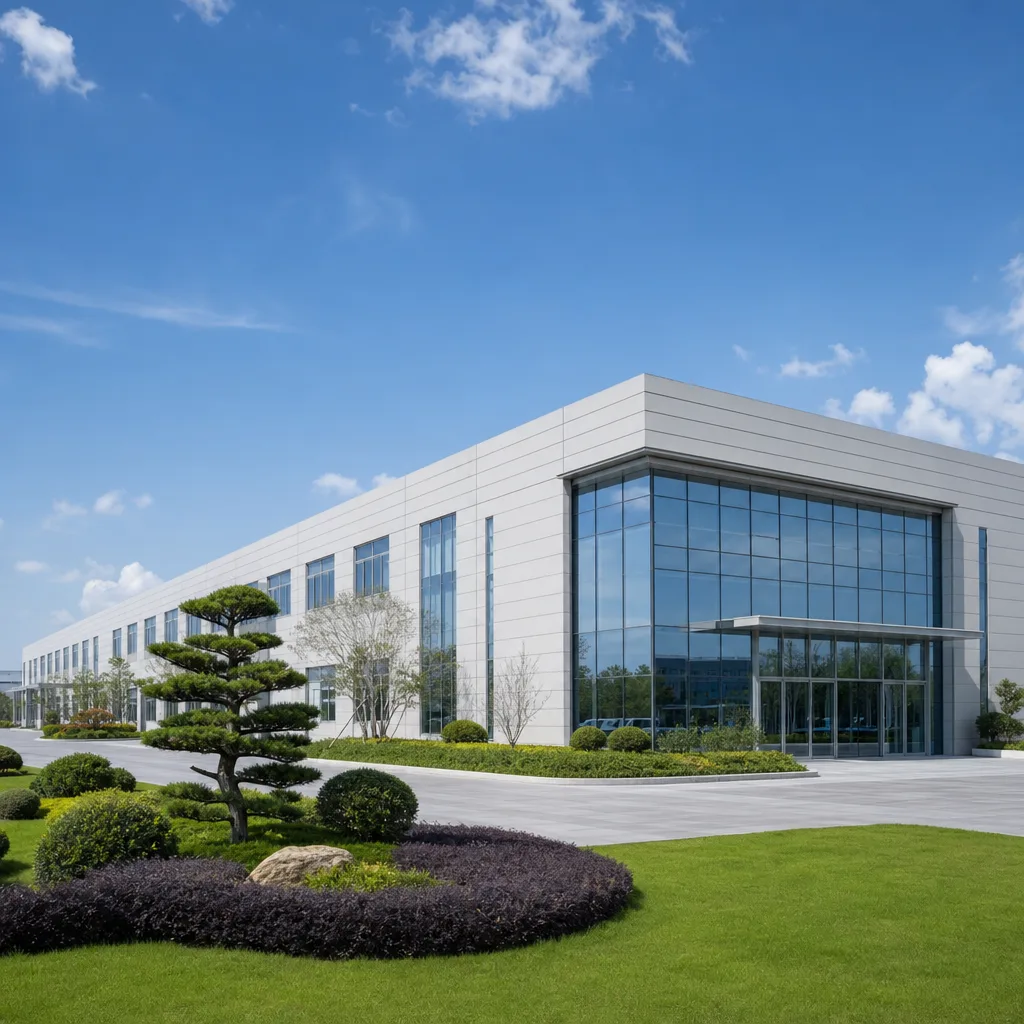
We build in Zhejiang, China, and the point is simple: a good thermos manufacturer is not the one with the prettiest sample, but the one that keeps wall thickness, vacuum level, and leak rate steady across a 5,000-unit run. On our line, QC pulled the sample again after a lid torque check at 1.8 N·m, because a buyer once flagged a loose cap on a PO that had one typo in the color code. At BottleForge Industrial, our standard thermos factory capacity is 180,000 units per month, with a 7-12 day sample lead time and 25-35 days for mass production depending on finish and packaging. That kind of number matters more than adjectives when you are buying thermos custom or customized thermos for outdoor retail or distributor thermos channels.
Where thermos programs fail
I’ll keep the same tags and structure, but rewrite the prose so it sounds like a factory-side sales engineer, with tighter specs and a few concrete shop-floor details.The first failure is usually not the 316 stainless steel. It is spec drift. QC pulled a sample, the lid gasket changed from 2.0 mm to 1.6 mm, the liner gauge moved by 0.05 mm, or the vacuum dwell was cut by 8 minutes to save line time. On paper it is still a custom thermos. In hand, it feels lighter, holds heat worse, and starts leaking in transit.
For outdoor retailers and promo brands, this is the wrong question to ask: “Can you make it?” The real question is whether the order sheet locks the failure points. Your buyer does not care if the leak came from the liner, the cap, or the packing bench. They remember that the thermos customized with their logo came back with a wet carton. Put the limits in the PO: inversion leak test at 1 meter for 30 minutes, hot-fill retention of at least 65°C after 6 hours, and lid opening torque in a fixed range. We have seen the math go sideways when that part is left vague.
In Zhejiang, the better thermos factory teams run process control, not slogans. A 1 mm gasket mismatch can turn a distributor launch into a pile of returns. We had one buyer flag a PO typo on the cap color code, and the whole batch stalled for 3 days. The goal is not perfection. It is stopping the predictable failures before they leave our warehouse.
316 versus 304 inside the flask
I’ll rewrite this section in a more field-tested sales-engineer voice, keep the HTML exactly intact, and preserve the headings and list structure.316 is not a magic upgrade. It fixes a real pain point: corrosion. If the bottle will hold coffee, electrolyte drinks, citrus water, or anything salty and acidic, 316 stainless steel gives you more margin than 304. We’ve seen the buyer flag this after a salt-spray test failed at 48 hours, so a 316 stainless steel thermos bottle factory usually needs a cleaner material story to justify the price.
The cost gap is the part that makes people hesitate. In China, a 316 inner liner usually adds about USD 0.35-0.80 per unit versus 304, depending on size, gauge, and finish. On a 3,000-unit PO, that is a line item you feel. If the program is only for water or plain tea, 304 does the job. If you are building a premium outdoor SKU, 316 is easier to defend, and the math stops fighting you when the buyer asks about stain resistance and aftertaste. QC pulled the sample on one run because the PO typo said “304L” on a 316 spec, and that kind of miss wastes a week.
- Recommended inner wall thickness: 0.4-0.5 mm
- Outer wall thickness: 0.5-0.6 mm
- Common surface finish: powder coat, spray paint, or polished steel
- Typical MOQ: 1,000-3,000 units per SKU
Ask your thermos manufacturer to put the steel grade on the spec sheet and the carton label. If they dodge that request, you are buying a story, not a bottle. We run that check on the line before packing, because a missing grade stamp turns into a dispute after the shipment lands.
Vacuum loss is the silent killer
I’ll rewrite the section in place, keep the HTML exactly as-is, and tighten the copy so it reads like a factory-side sales engineer wrote it.Most returns from factory thermos programs do not come from dramatic breakage. They come from weak insulation. A bottle that passes the lab check on Monday and slips by Friday is usually dealing with poor vacuum sealing, uneven welding, or dirt on the liner seam. We run into this when the line looks fine, but QC pulls the sample and the heat curve falls off a cliff. That is why the vacuum process matters more than the Instagram-ready render.
A serious thermos manufacturer controls evacuation time, sealing temperature, and weld consistency. Ask for batch testing on every production lot, not just one pre-production sample. The numbers need to be on the table. For a 500 ml bottle, we’d set a target like above 60°C at 6 hours and above 45°C at 12 hours under standard room conditions. If a supplier thermos quote leaves out retention data, the math does not work.
“Vacuum is where margin disappears. You cannot inspect a bad vacuum into a good bottle after sealing.”
We see this most often when a thermos supplier pushes the line for speed. They cut dwell time, the vacuum chamber never settles, and the bottle ships looking perfect but runs 8-15% worse in use. The buyer flagged it after the first season, and we’ve seen that go sideways fast when retailers compare reviews. For a 304 stainless body with a 316 liner, the weld bead still has to hold; if the seam is off by 0.2 mm, the vacuum leak will show up later, not on the showroom shelf.
Lids leak before bodies do
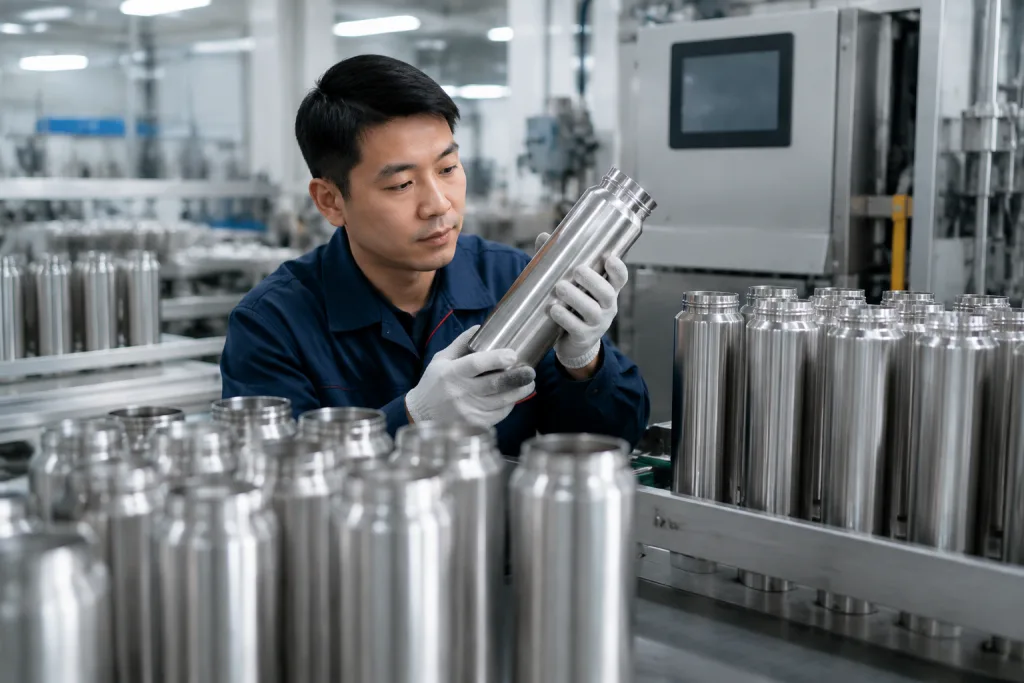
I’ll rewrite just the prose, keep the HTML structure intact, and tighten the language so it reads like a factory-side sales engineer wrote it.The bottle body gets the attention, but the lid is where the complaints start. A leak usually comes from a gasket size miss, thread mismatch, or cap deformation after a few hundred open-close cycles. If you are buying customized thermos for outdoor retail, the buyer will shake it sideways in a backpack, not read a brochure.
Specify the lid like a machine part. State gasket material, thread engagement depth, and cycle test count. A PP lid with a silicone gasket should pass 5,000 open-close cycles with no visible deformation. If the product uses a straw lid, ask the thermos factory for a separate spill test after 10 seconds of inversion and after a 1 meter drop test. Cheap lids save USD 0.10-0.25 per unit. The math does not work if you eat returns later.
- Leak test: 1 meter inversion, 30 minutes
- Drop test: 1 meter, 3 sides, 1 cycle
- Cycle target: 5,000 opens minimum
- Seal material: food-grade silicone, not soft unknown rubber
For thermos promotional projects, this matters even more because the logo is in the customer’s hand and the failure is public. We’ve seen this go sideways: a buyer flagged a branded bottle sweating inside a display tray, and the whole lot got pulled from the shelf.
Decoration can ruin good steel
I’ll rewrite the section in-place, keep the HTML tags untouched, and make the copy sound like a factory-side sales engineer wrote it. Then I’ll return only the cleaned HTML.A lot of thermos promo orders miss on decoration, not on forming. We’ve seen a thick powder coat chip at the bottom edge after one carton drop test. If laser engraving goes too deep, the finish gets thin. If silkscreen is rushed, it looks fine on day one and scratches off in transit. The decoration spec matters as much as the steel spec.
For custom thermos programs, ask the factory to lock down coating thickness, cure temperature, and the adhesion test method. Our usual powder coat target is 60-80 microns, with tape adhesion passing after curing. For logo work, laser engraving holds up better than print, but you still need the depth and position set on the drawing so the branding does not wander on a curved body. We had a buyer flag a PO typo on logo position last month, and the rework cost more than the print itself. If you are comparing thermos customizable options, judge print durability first, color second.
In China, plenty of suppliers can make one sample look clean. Repeating it across 10,000 units is the hard part. QC pulled a matte black sample off the line once and the shade shift was obvious under 6500K light. That is why outdoor retailers should ask for a color tolerance standard, especially for matte black, forest green, and metallic finishes. A small mismatch is enough to make a distributor thermos program look off on shelf.
How to spec a real order
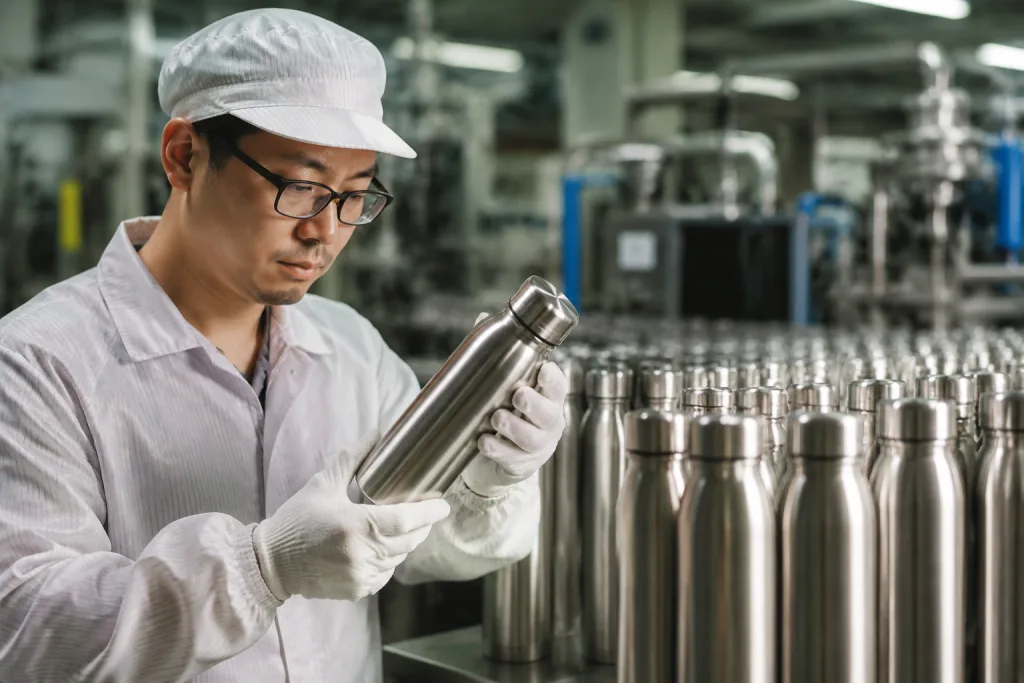
I’ll rewrite the section in-place, keeping the HTML exactly as-is and tightening the sales-engineering tone. Then I’ll do a quick pass to strip any leftover AI phrasing and keep the numbers and list structure intact.If you want a clean sourcing process, start with the order spec, not the sample. A real RFQ to a 316 stainless steel thermos bottle factory should pin down capacity, steel grade, wall thickness, lid type, finish, decoration, carton count, and test standards. Say the trade term too. FOB Ningbo, FOB Shanghai, or delivered pricing can move your landed cost by 12-20% in peak season, and we have seen buyers miss that by a full margin point.
For a typical 500 ml thermal bottle, a workable FOB China range is USD 4.20-7.80 per unit for a 316 inner liner, depending on lid structure and decoration. A plain silver bottle costs less than a powder-coated one with a custom gift box. If you are buying thermos bulk for a retail launch, ask the manufacturer thermos team to quote three lines: plain body, logo body, and full retail set. The math is clear. At our line, a logo laser mark adds about 0.18 USD, while a printed gift box can add 0.35-0.60 USD.
- Ask for: steel certificate, leak-test report, and retention test results
- Use: AQL 2.5 for major defects, AQL 4.0 for minor defects
- Request: pre-production sample plus golden sample approval
- Confirm: carton drop test and barcode placement for retail readiness
Good thermos suppliers in Zhejiang will not fight these questions. QC pulled the sample, checked the seam at 0.12 mm, and the buyer flagged the carton mark once; that is normal. Clear specs cut rework and keep mass production moving.
Get a spec sheet built for production
Send your target capacity, finish, and logo method. We’ll map the failure points first, then quote the right thermos custom program.
Frequently asked questions
Is 316 stainless steel worth it for a thermos bottle?
Yes, if you are selling premium outdoor drinkware, acidic beverages, or a branded line where corrosion resistance matters. A 316 inner liner usually adds about USD 0.35-0.80 per unit versus 304, depending on size and finish. For water-only use, 304 may be enough, but 316 gives you a better story and more margin against staining, pitting, and taste issues. Buyers in Europe and North America often choose 316 when the customer base expects longer service life and a cleaner material claim.
What MOQ should I expect from a thermos factory in China?
For a custom thermos or customized thermos order, MOQ is commonly 1,000-3,000 units per SKU in Zhejiang, China, depending on mold status, lid type, and decoration. If you need a unique cap or special color, the MOQ can move higher because the factory must lock in tooling and coating runs. A standard factory thermos line with existing molds may accept 500 units, but the unit price is usually less attractive. For distributors thermos programs, a 3,000-unit MOQ is often the practical balance between pricing and inventory risk.
How do I test for leaks before shipping?
Use a simple but repeatable method: fill the bottle, tighten the lid to the specified torque, invert it for 30 minutes, and then shake it horizontally for 10 seconds. Add a 1-meter drop test on three sides for packed samples. A serious thermos manufacturer should record pass/fail by lot and keep results linked to batch numbers. For retail and promotional thermos orders, also test after temperature cycling, because some gaskets seal well at room temperature but fail after hot-fill expansion. Ask for AQL inspection and keep one golden sample sealed in your office.
What lead time is normal for bulk thermos orders?
For most bulk thermos orders from a thermos supplier in Zhejiang, sample lead time is 7-12 days and mass production is 25-35 days after sample approval and deposit. If you choose a complex lid, multiple colors, or retail packaging, add 5-10 days. During peak season, a thermos factory may need an extra week if coating lines are full. The cleanest way to avoid delay is to freeze artwork early and confirm carton specs before production starts.
What documents should I ask a thermos supplier for?
At minimum, ask for material confirmation, product specification sheet, leak-test report, and packaging details. If you sell into regulated channels, request REACH compliance for Europe and food-contact declarations for the materials used. For branded retail or distributor thermos programs, ask whether the factory holds BSCI, ISO 9001, or similar audit credentials. You should also ask for a sample approval record and a carton packing list format. A good thermos supplier will send these without drama because they already use them for export orders.