Key Takeaways
- 316 stainless steel thermos bottle bulk orders usually start at 3,000 units with 25-35 day lead times after sample approval
- For outdoor use, specify 316 inner steel, 304 outer steel, 0.4-0.5 mm wall thickness, and 18/8 lids only if they are tested
- A good bulk thermos order should pass vacuum leak testing, drop testing, and AQL 2.5 inspection before shipment
- FOB Ningbo or Shanghai pricing often lands between USD 4.20 and USD 8.60 depending on capacity, print, and lid type
You are not buying a cup. You are buying a margin call that has to survive freight, customs, drop tests, and a buyer who checks whether the lid still seals on day 200. For a 316 stainless steel thermos bottle bulk order, the spec sheet beats the mockup every time. A 0.3 mm wall or a weak vacuum seam can turn a clean custom thermos run into returns. We’ve seen that go sideways more than once.
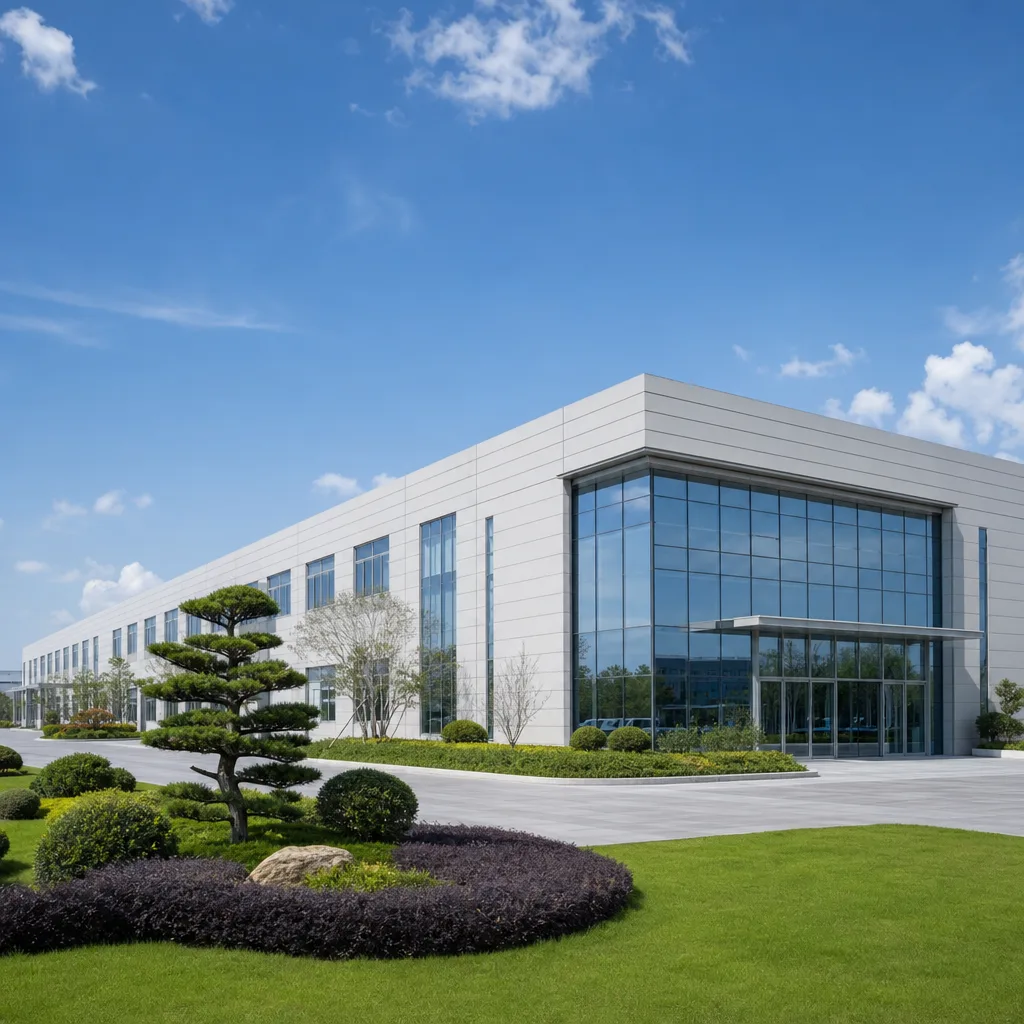
At BottleForge in Zhejiang, we see this every week from outdoor retailers and promo brands: they want a customizable thermos that looks sharp, takes a hit, and leaves the line on schedule. Our Hangzhou factory runs about 200,000 units per month, with a common MOQ of 3,000 units and a standard lead time of 25 to 35 days after sample approval. QC pulled the sample at 3 meters last week and flagged a lid torque issue on one PO. That’s the real base line if you want a thermos bulk order to land cleanly in the U.S. or Europe.
Start with the use case, not the logo
I’ll keep the tags intact and rewrite the prose so it sounds like a factory-side sales engineer, with concrete spec detail and cleaner buyer logic.The cleanest thermos order starts with where it will be used. If the buyer is outfitting hikers, site crews, or winter sports accounts, a 316 stainless steel thermos bottle bulk spec makes sense because 316 handles salty broth, acidic drinks, and harsher wash cycles better than 304. If the bottle is for office gifting, 316 on every part is often the wrong spend. We see that call go sideways all the time. Match the steel grade to the job, not to the logo.
For a real custom thermos program, ask four things before you send artwork: capacity, drinking style, target retail price, and insulation time. A 500 ml custom thermos for outdoor retail may need 12 hours hot and 24 hours cold, while a 750 ml promo bottle can run a simpler lid and still pass a 1 m leak test in transit. QC pulled the sample on one line last month because the buyer approved print first and only then asked about the structure. That is the wrong order. Lock the bottle, then decorate the shell.
For a serious thermos custom project, the first spec sheet should read like a product brief, not a design request.
Useful starting specs for a bulk thermos order:
- Inner liner: 316 stainless steel
- Outer shell: 304 stainless steel or 201 if the price target is aggressive
- Wall thickness: 0.4-0.5 mm
- Capacity: 350 ml, 500 ml, 750 ml, or 1 L
- Lid: screw cap, cup lid, or one-hand button lid with leak test data
Build the thermos spec sheet
I’ll rewrite this section in-place, keep the HTML structure intact, and tighten the sales-engineer tone with concrete factory detail.Once the use case is clear, build the spec sheet the way a thermos engineer on the line would. A proper factory should quote by material stack, capacity, lid build, surface finish, and packaging, not by bottle size alone. For a 316 stainless steel thermos bottle bulk order, the inner liner should be confirmed as SUS316 or 316L, with the material certificate ready if the buyer asks. If a sales rep cannot explain the 316 versus 304 difference in two minutes, the math does not work.
Keep the structure simple. A solid spec sheet usually covers the bottle body, lid, seal ring, coating, logo method, and carton count. For outdoor retailers, we run powder coating because it gives better grip and hides freight scuffs. For promotional brands, silk screen or laser engraving is enough when the lead time is tight. If the brand wants a premium feel, the thermos customizable option should call out matte powder coat, laser logo, and a two-piece lid assembly that passes 1-meter drop testing. QC pulled the sample on this before packing.
Here is the level of detail buyers should ask for:
- Material: inner 316, outer 304, BPA-free PP lid, silicone ring
- Finish: matte, glossy, rubberized, or metal spray
- Logo: 1-color print, 2-color print, or laser engraving
- Performance: hot retention, cold retention, leakproof test
- Packaging: white box, color box, or display gift box
For distributors thermos programs, the carton mark and barcode placement matter as much as the bottle itself. If you plan to sell through retail chains, ask your thermos distributor team to confirm SKU labeling, master carton weight, and pallet pattern before production starts. We have seen a buyer flag a PO typo on carton count, and that one line delayed shipment by 4 days.
Price the order like a buyer
I’ll rewrite the section in place, keep the HTML structure intact, and tighten the pricing language so it sounds like a buyer-facing sales engineer.Don’t take one “good price” from a thermos supplier and call it done. We run bulk thermos quotes by cost driver: steel grade, lid parts, finish, print method, and pack-out. A 316 inner liner costs more. So does a button lid with a spring. If you want a real FOB number from a thermos manufacturer, ask for three lines: sample spec, target spec, and volume spec at 10,000 pcs.
For a 500 ml 316 stainless steel thermos bottle bulk order from Zhejiang, we usually see FOB at USD 4.20 to USD 8.60, depending on finish and lid build. A plain screw-cap promo bottle sits near the low end. A double-wall powder-coated outdoor bottle with laser logo and a premium lid goes up fast. The buyer flagged a PO typo on “500ml” versus “550ml” once, and that 50 ml changed carton count and pricing. Move from 3,000 to 10,000 units, and unit cost can drop 8% to 15% if the artwork, carton size, and lid tooling stay fixed.
Ask the supplier to break out:
- Unit cost
- Logo setup fee
- Packaging surcharge
- Extra test fee for special claims
- Tooling if a new lid or cap is needed
That split shows whether you are talking to a real manufacturer thermos factory or a reseller polishing a quote sheet. QC pulled the sample on a lid torque issue once, and the price sheet changed after that. The best thermos suppliers tell you what stays fixed and what moves with volume. That saves back-and-forth. The math doesn’t work any other way.
Approve samples before any mass run
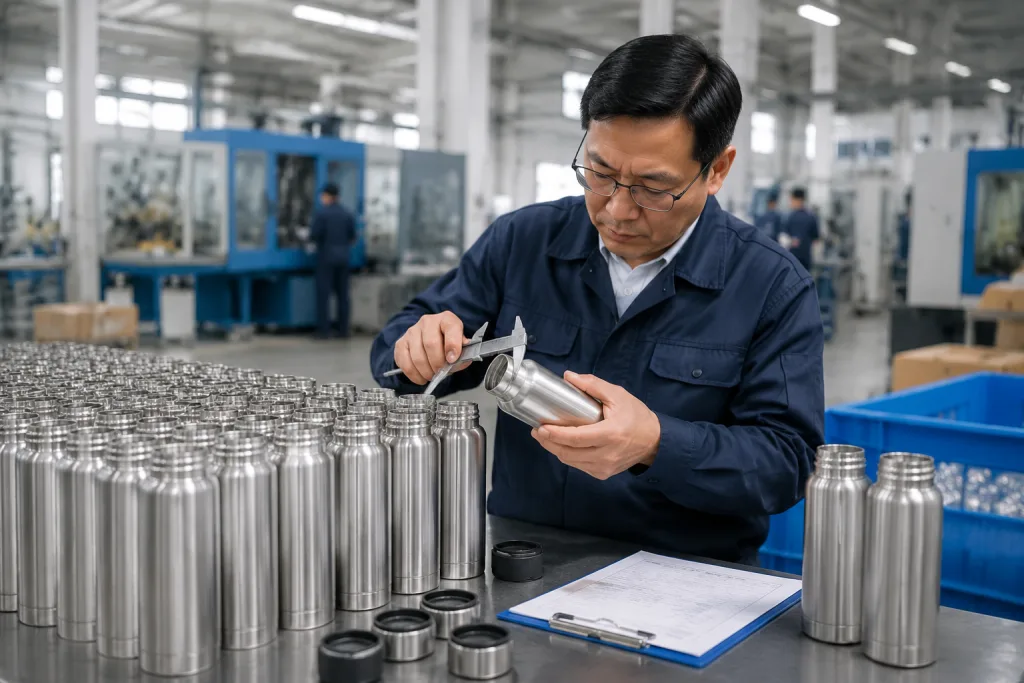
I’ll keep the HTML exactly as-is and rewrite only the prose to sound like a factory-side sales engineer, with concrete sample checks and fewer canned transitions.Sample approval is where a custom thermos job either stays on budget or turns into rework. Do not greenlight from photos. Ask for a real pre-production sample and check the lid seal, coating scratch resistance, and vacuum hold. If you are buying a customized thermos for outdoor retail, put it in a cup holder, a bottle cage, and a backpack side pocket. A render can look clean and still miss by 2 mm in the hand.
At sample stage, we tell buyers to test five points: heat retention, leakproofing, smell, coating durability, and logo position. If the sample misses, stop there and revise. On our Zhejiang line, we usually turn samples in 5 to 7 days, then QC holds the sample until the buyer signs off. That pause costs less than scrapping 3,000 units. A solid custom thermos supplier should also send a sample sheet with dimensions, gross weight, and closure torque if the lid uses a threaded seal.
What to verify on the sample
- Vacuum integrity after 24 hours
- No visible pinholes or weld defects
- Silicone ring seated evenly
- Cap threads smooth, no binding
- Logo centered within tolerance
If you are a promotional brand, this is where you choose between a cheaper one-color print and a laser mark that stays sharp after repeated washing. If you are a distributor, confirm the UPC, FNSKU, or retail sticker position before the factory starts carton packing. We have seen a PO typo on the label code cause a full reprint.
Run production with real QC gates
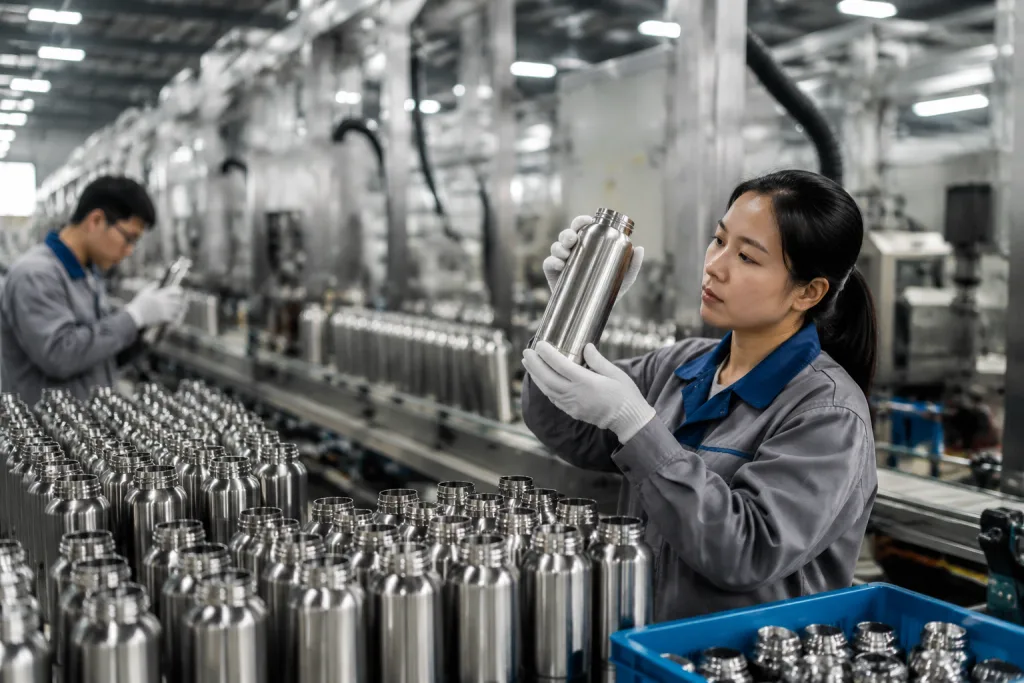
I’ll keep the HTML exactly as-is and rewrite only the prose to sound like a factory-side sales engineer, with concrete QC details and fewer filler phrases.Mass production is not a leap of faith. A proper thermos factory builds QC gates you can check on paper and on the line. For a 316 stainless steel thermos bottle bulk run, the key checkpoints are incoming material verification, mid-line leak testing, coating inspection, and final carton sampling. We ask for AQL limits in writing. For most drinkware shipments, AQL 2.5 for major defects and 4.0 for minor defects is a workable baseline, though some retail buyers push tighter limits.
We run three controls. First, review raw steel certificates before cutting; one wrong coil number can sink the whole batch. Second, confirm welding and vacuum sealing on the line, because a clean shell with a weak seam still fails. Third, do final inspection after printing and packing, not before. We have seen a PO typo on lid color slip through first inspection and show up only at carton stage, when scuffs, misaligned labels, or lid scratches surface. That is why a good thermos supplier treats packaging as part of QC, not a side job.
For larger distributor thermos programs, use these control points:
- 100% leak test on capped units
- Sampling for temperature retention claims
- Random drop test at 1 meter
- Carton compression check for export freight
- Label verification for retail compliance
China has plenty of factories that can make a shiny bottle. Far fewer can keep QC steady on a seasonal outdoor order. If your thermos manufacturer cannot show line records, reject rates, and rework steps, that is a red flag. The math does not work any other way. Good production control is what separates a real thermos partner from a middleman.
Ship it without avoidable surprises
I’ll rewrite the section in-place, keeping the HTML structure and tightening the prose to sound like a factory-side export salesperson. Then I’ll do a quick pass for the banned filler words and make sure the details feel concrete.Export is where a clean thermos custom order still gets held up if the paperwork is sloppy. Pick the incoterm early: FOB Ningbo, FOB Shanghai, or another port term. For most buyers in Europe and North America, FOB from Zhejiang ports is the easy lane. If you need door delivery, the supplier needs carton count, pallet height, and booking window from day one. A 20-foot container handles a solid bulk thermos order, but mixed SKUs, color changes, and oversized gift boxes eat space fast.
Before shipment, the factory should send the final packing sheet: unit weight, carton size, carton count, and gross/net weight. We’ve seen a buyer flag a 0.5 kg mismatch on a PO, and that turned into a freight correction nobody wanted. If you are a distributor thermos buyer, those numbers drive warehouse intake and landed cost. For Amazon or marketplace programs, confirm FNSKU labels, suffocation warnings if needed, and case pack quantities. A good thermos vendor does not guess on labeling. QC pulled the sample against your compliance sheet, and that is the only way to ship it clean.
Typical export checkpoints:
- Commercial invoice and packing list match PO quantities
- Cartons marked with SKU and color code
- Outer cartons pass drop and compression requirements
- REACH and food-contact declarations prepared if needed
- Final inspection photos sent before container loading
That last set of photos is not decoration. It is the proof that the order leaving Zhejiang matches what you signed off. We run this check at the line before seal time, because once the 20-foot container is loaded, the math does not change. When the ship sails, your thermos distributors should already know how the product will be received, warehoused, and sold.
Send your thermos spec and target quantity
Get a factory quote, sample plan, and QC checklist from Zhejiang within 24 hours. We’ll map the right 316 stainless steel thermos bottle bulk spec to your market.
Frequently asked questions
Is 316 really better than 304 for a thermos bottle?
Yes, but only when the use case justifies it. 316 stainless steel offers better resistance to corrosion from salty, acidic, or harsh cleaning conditions than 304. For outdoor retailers, food-service gifting, and long-life promotional thermos projects, that extra resistance is useful. For a standard office giveaway, 304 may be enough. In bulk, the cost difference is usually visible: expect 316 to add roughly 5% to 12% depending on capacity and lid complexity. If you want to sell a premium custom thermos with stronger durability claims, 316 is the safer call.
What MOQ should I expect for 316 stainless steel thermos bottle bulk orders?
A realistic MOQ from a Zhejiang thermos factory is usually 3,000 units per color or per SKU. Some suppliers can quote 1,000 units, but the unit price is often too high for a competitive retail program. If you want multiple colors, laser logo, and custom packaging, the MOQ can rise to 5,000 units or more. For outdoor retailers and promotional brands, it is better to consolidate sizes and finishes than split the order into too many variants. That keeps production stable and lowers the risk of stock gaps.
How long does production take after sample approval?
For a standard custom thermos run, plan on 25 to 35 days after sample approval and deposit confirmation. If you add a new lid mold, special coating, or complex gift packaging, it can stretch to 40 to 50 days. In our Hangzhou factory, sample-making usually takes 5 to 7 days, then production slots are booked based on monthly capacity. If your delivery window is tight, tell the supplier before quoting so they can confirm whether the line can absorb your thermos bulk schedule.
What tests should I ask for before shipment?
At minimum, ask for leak testing, vacuum retention verification, drop testing, and final AQL inspection. For a 316 stainless steel thermos bottle bulk order, a decent supplier should also provide material certificates for the steel grade and food-contact compliance documents where required. If you are shipping into the EU or North America, ask about REACH and any applicable food-contact declarations. For retail programs, carton drop and label verification matter as much as the bottle itself. Do not accept verbal assurances when a written test record is easy to provide.
What price range is normal for a custom 316 thermos?
For a 500 ml 316 stainless steel thermos bottle bulk order, FOB pricing often falls between USD 4.20 and USD 8.60 depending on finish, lid type, and packaging. A simple screw-cap promotional thermos will be nearer the lower end. A matte powder-coated outdoor bottle with laser logo and premium lid sits higher. If you increase volume from 3,000 to 10,000 units, you may save 8% to 15%, assuming the spec does not change. The cheapest quote is not always the best if it cuts corners on steel, vacuum, or packaging.