Key Takeaways
- 304 stainless is the normal baseline; 316 inner steel usually adds 12%-18% to cost and makes sense for premium thermal lines
- A true vacuum gap under 1 x 10^-3 Pa and a 0.4-0.6 mm wall spec are where heat retention and dent resistance start to matter
- MOQ for custom thermos programs is commonly 1,000-3,000 pieces, with FOB pricing often starting around USD 2.30-4.80 depending on size and lid
- AQL 2.5 for major defects and 4.0 for minor defects is a practical acceptance standard for promotional and distributor thermos orders
Buy a wholesale insulated water bottle with the wrong spec, and the damage shows up after delivery. A 304 body paired with a weak lid, a vacuum gap that slips, or a paint finish that fails salt spray will come back as returns, one-star reviews, and lost margin. Retail buyers care about hiking use. Promo buyers care about logo clarity and repeat orders. You need both.
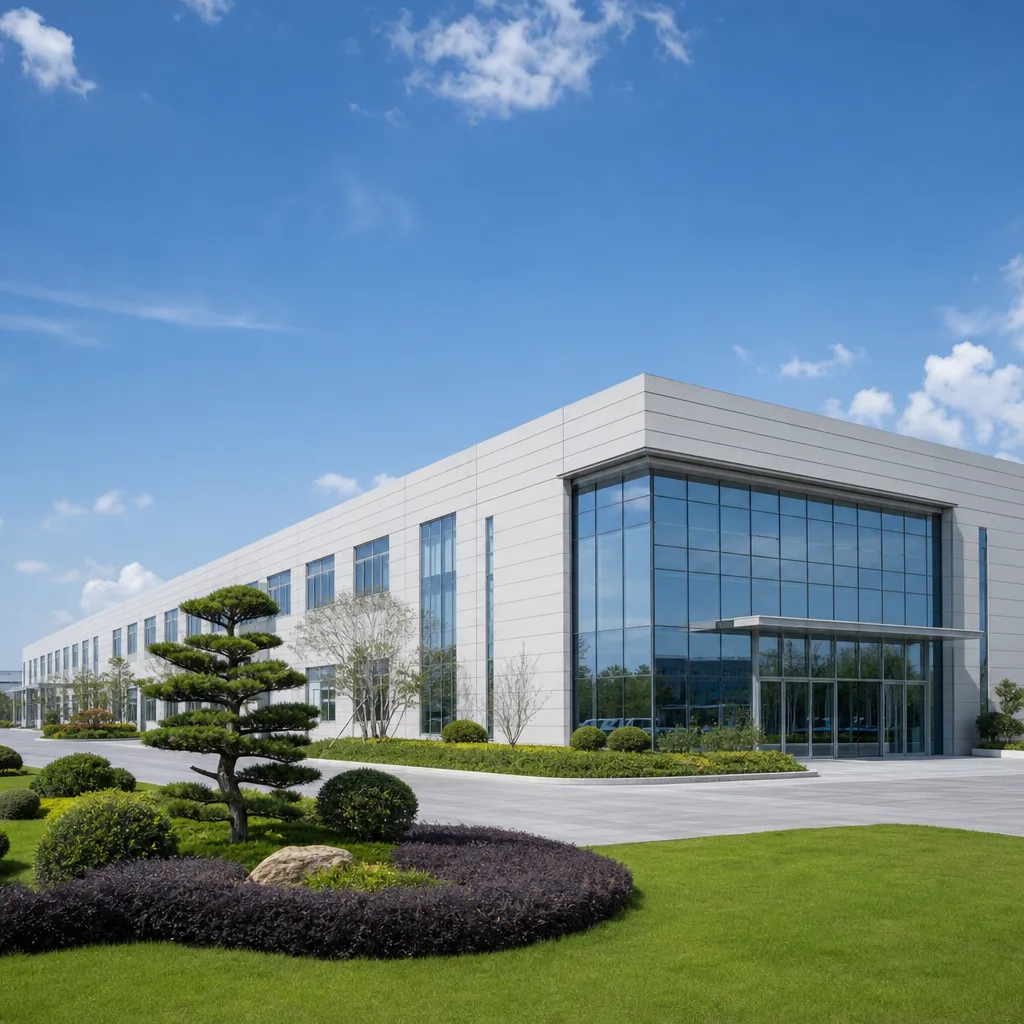
At BottleForge in Zhejiang, we run stainless thermos programs for export buyers who want clean specs, steady lead times, and no brochure talk. The line ships 180,000 units a month, and our usual MOQ is 1,000 pieces per size for custom color or logo work, with 25-35 days from sample approval to production. QC pulled a lid sample last week and found a 0.4 mm gap on a cap ring; that is the kind of miss that turns into a complaint later. Below, I’m going line by line through the spec sheet so you can judge a bulk thermos offer like a plant buyer, not a catalog reader.
Start With Steel Grade
The first line on any stainless thermos spec sheet is steel grade. For a wholesale insulated water bottle, we usually run 304 on the body, and that works for most outdoor retail and promo programs. Corrosion resistance is solid, the forming on the line is clean, and the landed cost stays sane. If the buyer pushes for 316 inner steel, that is a different build: better resistance to salt and acidic drinks, better fit for coastal accounts, and a price jump you can feel on the quote.
Do not let a supplier thermos quote hide the metal spec behind “food grade stainless.” Ask for body, inner liner, and outer shell one by one. A serious thermos manufacturer in China or Zhejiang will put 304/304 or 304/201 in writing; if they won’t, the math does not work. We had one PO where the buyer flagged “food grade” as a typo-level answer, and QC pulled the sample before tooling started. For outdoor retailers, 304/304 is the safe default. For a thermos custom campaign aimed at premium gifting, 316 inner steel makes sense only when the retail price can carry it.
- 304/304: best value for general use
- 316 inner: premium, better corrosion resistance
- 201 outer shell: lower cost, weaker rust margin
One check we use every week: ask for material certificates and match them against REACH and LFGB where needed. A distributor thermos order for Europe should never start with vague metal claims, and this is the wrong question to ask if the seller can’t name the alloy. We ship better when the spec is sharp. A 0.5 mm wall note on the drawing beats a page of marketing copy.
Wall Thickness Changes Everything
I’ll rewrite the section in place, keep the HTML exactly as-is, and tighten the copy so it sounds like a factory sales engineer wrote it.Wall thickness is where a lot of buyers get caught by a low FOB price. A decent factory thermos body usually sits in the 0.4-0.6 mm range for the inner and outer shells, depending on size and price tier. Go thinner and you shave off cents, but you lose dent resistance and sometimes weld stability. Go too thick and the bottle gains weight fast, which hurts outdoor use and raises shipping cost.
For a 500 ml or 750 ml insulated bottle, we usually push a balanced spec: 0.45 mm inner shell and 0.5 mm outer shell, with a base that does not oil-can under hand pressure. That is the gap between a thermos custom program that holds up on retail shelves and one that comes back with dings after a single season. A buyer once flagged only the logo size and skipped the shell gauge; that is the wrong question to ask, especially for daily use in cars, offices, or job sites.
Check the neck thickness and weld consistency too. A clean weld line and stable dimensional tolerance cut lid-fit problems fast. On a bulk thermos order, even a 0.3 mm mismatch can trigger cap cross-threading or leak complaints, and QC pulled the sample right away when we saw that on the gauge. China has plenty of factories, but only a supplier that runs disciplined tooling will hold those numbers every day.
Vacuum Level and Heat Retention
I’ll rewrite just the prose, keep the HTML tags intact, and make it sound like a factory-side sales engineer wrote it.Vacuum quality decides whether a stainless thermos performs like an insulated bottle or just a polished shell. On the line, we check the double-wall chamber with a helium leak tester and watch the pressure drop; a proper vacuum is often down in the 10^-3 Pa range. Buyers usually don’t get the exact number. Fine. Ask for the heat-retention method and the leak-rate record instead. If a supplier throws out “12 hours hot” with no test setup, the math doesn’t work.
For buyer-side comparison, ask for one fixed test sheet: 95°C fill temperature, ambient 20°C, cap closed, readings at 6, 12, and 24 hours. QC pulled the sample at 500 ml and we’ve seen this go sideways when the lid changed from PP to stainless insert. A solid wholesale insulated water bottle can target 6-8 hours above 70°C and 12 hours above 55°C, depending on lid style and mouth diameter. Wide-mouth bottles bleed heat faster than narrow-mouth thermos designs, so the cap is doing real work here.
Do not compare heat retention claims unless the test method is identical. A 95°C fill and an 85°C fill will not tell you the same story, and lid changes can swing the result by 15%-25%.
For distributor thermos programs, repeatability beats one flashy sample. We ship lots where 95% of the cartons hold the same result, and that is the number that matters. A buyer once flagged a PO typo that changed the lid code by one digit, and the retention curve shifted with it. This is the wrong question to ask if you only chase the best single bottle; ask whether the whole run stays at 12 hours, not whether one sample can do it.
Lid Design Drives Returns
I’ll rewrite the section in place, keeping the HTML intact and tightening the sales-engineer voice. Then I’ll return only the updated HTML.The lid is where complaints start. A cap looks simple on a drawing. On the line, it decides leak rate, drinking feel, wash time, and how the shelf sample reads in the buyer’s hand. For a custom thermos, lock the lid type first — screw lid, flip lid, straw lid, or dual-use lid — before you ask for pricing. Each one changes the mold, assembly time, and the quote.
A plain screw cap is the lowest-cost option and the easiest to keep stable. A push-button lid feels nicer, but it brings a spring, a gasket, and one more assembly station; we’ve seen that add 8-12 seconds per unit. If your buyers sell through outdoor channels, a leakproof screw lid usually wins because it takes backpack pressure and rough handling better. For promo brands, a color-matched lid with a clear logo ring can give stronger shelf impact than full-body decoration. The buyer flagged that last spring on a 500 pcs sample, and they were right.
- Leak path count: fewer is better
- Gasket material: silicone, not mystery rubber
- Dishwasher claims: only if the seal and print survive the wash test
A serious thermos supplier should show lid cycle testing, not just talk. Ask for 3,000-5,000 open-close cycles and a leak test after thermal aging at 60°C. We run that check with a torque tester and a water bath. If they cannot give you a number, the downstream distributor will find the leak first. And that is the wrong place to learn it.
Coating and Decoration Specs
I’ll rewrite the three paragraphs to sound like a real factory sales engineer, keep the HTML intact, and preserve the internal link.Decoration is not just branding; it is part of the durability spec. Powder coating, spray paint, screen print, laser engraving, and UV print wear differently on the line. For a promo thermos, powder coating is usually the safer call because it hides handling marks and gives better grip. A matte finish in the 100-120 micron range is common on mass-market bottles, and it stands up better than thin glossy paint. We run that check with a coating gauge, not guesswork.
If you need a custom logo, decide early whether you want one color, multi-color, or full-wrap graphics. Silk screen works for simple logos and keeps unit cost down; laser engraving gives a permanent mark with no ink wear. For a thermos customizable program tied to team merch or event giveaways, laser usually wins because the decoration does not chip in transit. The buyer flagged a 2-color logo once, then changed the PO to single-color after we showed the print registration risk. If you need guidance on print method selection, see silkscreen vs laser engraving.
Ask your manufacturer thermos partner for adhesion testing, cross-hatch results, and salt spray performance. A decent outdoor bottle should hold up for 48-72 hours of salt spray without obvious rust on coated steel parts, though the target shifts by finish and market. Zhejiang factories that ship export orders every week know these tests; if a China supplier dodges them, that is a bad sign. QC pulled the sample on a 1 mm tape pull and caught edge lift on the first pass. The math does not work if the coating fails before packing.
MOQ, Price, and Lead Time
I’ll rewrite the prose in place, keep every tag as-is, and tighten the sales-floor language while preserving the numbers and structure.Buyers usually start budgeting here. For a standard 500-750 ml wholesale insulated water bottle, FOB China pricing often sits around USD 2.30-4.80 per piece at 1,000-3,000 units, depending on steel grade, lid structure, and decoration. A plain 304/304 bottle with one-color logo stays near the low end. Add a premium lid, color box, or 316 inner liner, and the quote climbs fast. We run this math every week on the line.
For custom thermos orders, MOQ is the gate. In Zhejiang, a lot of manufacturer thermos factories start at 1,000 pieces for existing molds and common colors, while full customization or special lids often needs 3,000 pieces. Sample lead time is usually 5-10 days, production lead time 25-35 days after sample sign-off, and sea freight to North America can add 20-35 days depending on port and season. QC pulled the sample, and one 2 mm lid gap was enough for the buyer to flag it.
Chasing the lowest quote from a thermos supplier is the wrong question if it puts you on a 60-day production slot and weak QC. We’ve seen that go sideways on launch orders. A reliable bulk thermos partner is worth more than a cheap price that misses the ship date. Ask for the lead time in writing, not a sales promise over WeChat. One typo on the PO can still cost a week.
QC Standards You Can Use
I’ll rewrite the section in place, keep the HTML tags exactly as-is, and tighten the prose so it sounds like a factory-side QC note with concrete shop-floor detail.Inspection standards separate a real factory thermos operation from a trading-company quote. For export drinkware, we run AQL 2.5 for major defects and AQL 4.0 for minor defects as a practical starting point. Major defects cover leaks, vacuum loss, dents deeper than 0.5 mm, wrong capacity, and missing parts. Minor defects cover print shift, small specks, and carton scuffs.
Before you approve a custom thermos order, ask for a checklist that covers capacity tolerance, lid seal, coating adhesion, logo position, and carton drop test. We’ve seen buyers sign off on artwork from a PDF and then the first 500 pcs come back with a 2 mm logo offset; the buyer flagged it, and the math doesn’t work. A carton drop of 1 meter on six faces is a fair baseline for ecommerce and distributor shipments. If you sell into retail chains, add ISTA-style transit testing.
Ask how the factory tests each lot. Good thermos manufacturers in China split in-line checks from final inspection and keep batch records; QC pulled the sample, logged the lid torque, and kept the vacuum result with the lot number. If you buy FOB, that paperwork protects you. If you buy through a thermos distributor, demand the same traceability. In Zhejiang, the better factories run this way; the rest learn after the first claim.
Choose the Right Buyer Model
I’ll rewrite the section in place, keep the HTML tags intact, and tune the copy to sound like a factory-side sales engineer. Then I’ll do a quick pass to make sure the wording stays concrete and free of the banned filler.Your buying model sets the spec. An outdoor retailer needs drop resistance, leak control, and carton protection. A promo brand wants fast delivery, strong color matching, and a low landed cost. A distributor thermos program needs steady replenishment, wide SKU coverage, and a factory that can repeat the same bottle six months later without lid swaps or shade drift.
If you are building a thermos bulk program, keep the line tight: one capacity, one lid family, two or three colors, and one logo method. That keeps MOQ under control and cuts the risk of a sample that looks right but ships wrong. We ran one program where the buyer pushed for four lids on a 500 ml bottle; the math did not work. Start with the core 500 ml size, then move into 750 ml and 1,000 ml after the first sell-through report comes back.
The best jobs start when the buyer talks to the factory like a spec review, not a catalog request. Send your target margin, retail price, channel type, and compliance needs on day one. QC pulled a sample last week with a 1.2 mm wall and a lid typo on the PO; the order was easy to fix because the buyer gave the constraints early. A Zhejiang manufacturer can usually tighten the spec in one round if the brief is real. That saves time and avoids a first-shipment redo.
Send your thermos spec sheet today
We’ll review steel grade, lid, logo, and MOQ line by line, then quote a workable wholesale insulated water bottle program from Zhejiang.
Frequently asked questions
What is a normal MOQ for a custom stainless thermos order?
For a custom thermos program, 1,000 pieces per SKU is common for standard molds, colors, and one-color logos. If you need a new lid tooling or special packaging, MOQ often rises to 3,000 pieces. For simple reorders, some suppliers can repeat at 500-800 pieces, but the unit price usually climbs 10%-20%. In Zhejiang, a factory thermos quote should clearly separate mold cost, sampling cost, and decoration cost so you can see where the MOQ pressure comes from.
How do I compare wholesale insulated water bottle prices fairly?
Compare on the same spec sheet: steel grade, lid type, coating, logo method, carton count, and inspection standard. A 500 ml 304/304 bottle with one-color silk print may be USD 2.30-3.10 FOB China at 1,000 pieces, while a premium lid or 316 inner liner can push it to USD 4.00-4.80. If one supplier thermos quote is much lower, check whether the wall thickness is thinner, the lid is simpler, or the packaging is downgraded.
What documents should I request from a thermos manufacturer?
Ask for material declarations, REACH or LFGB compliance if needed, a sample approval record, and a QC checklist with AQL targets. For North America, many buyers also want carton marks, barcode placement, and FNSKU-ready packaging if the order goes to Amazon. A serious manufacturer thermos partner will also provide vacuum retention test data, leak test results, and lot traceability by production date.
Can I get a promotional thermos with a full-color logo?
Yes, but decoration method matters. Full-color graphics usually need UV print or wrap print, which increases cost and can reduce abrasion resistance compared with laser engraving or one-color silk screen. For a promotional thermos order, expect decoration to add roughly USD 0.20-0.80 per piece depending on coverage and colors. If the bottle will be handled daily outdoors, ask for an adhesion test and rubbing test before mass production.
How long does a bulk thermos order take from sample to shipment?
Typical timing is 5-10 days for samples, 2-3 days for approval, and 25-35 days for production after deposit and final sign-off. If you are changing molds, colors, or lid tooling, add another 10-20 days. Sea freight from China or Zhejiang to Europe or North America adds transit time on top, so many buyers should plan 45-70 days from order release to warehouse arrival. A reliable thermos supplier will confirm this in writing.