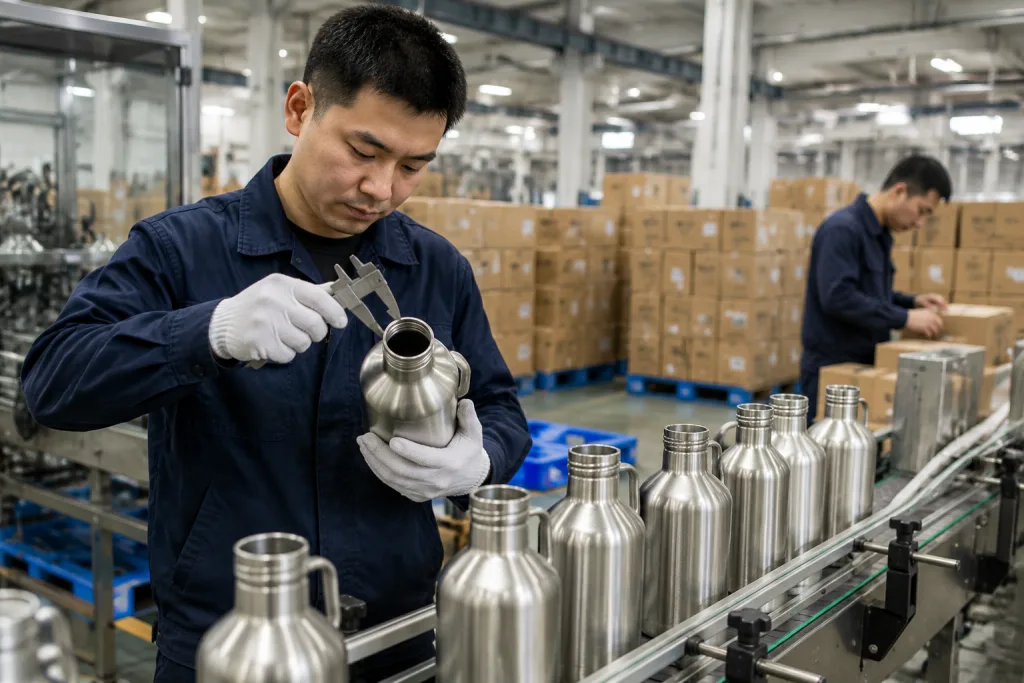
Key Takeaways
- A 1.5 mm neck variance can turn a wholesale bulk growler bottle into a leak-risk order
- For coated stainless growlers, 180–220°C cure control matters more than the color name
- Typical MOQ in Zhejiang is 3,000–5,000 pcs, with 30–45 days lead time for standard builds
- AQL 2.5 for major defects is common; if you need retail-ready consistency, tighten carton and seal checks
A wholesale bulk growler bottle order usually goes wrong in the same spot: nobody agrees on the weak point before production starts. You approve a sample, we run 5,000 units, and the first complaint is leaking caps, a neck that went oval, or a coating that chips after one wash. That is not a logistics issue. It is a spec issue.
If you buy bulk growler, wholesale growler, or beer growler wholesale stock for retail, promos, or private label, you need to think like a production engineer, not just a buyer. Zhejiang factories ship these in volume, but the difference between a clean repeat order and a dead batch is often 0.2 mm on neck tolerance, a gasket callout, or a coating cure temp. QC pulled the sample, the buyer flagged it, and the factories that win in China are the ones that write down the failure points before they quote.
Where Growler Orders Break First
I’ll rewrite the prose in place, keep the HTML structure untouched, and tighten the sales-engineer tone with concrete factory details and measurable checks.The first break point is usually not the body. It is the interface. A wholesale bulk growler bottle can look clean in photos and still fail at the cap, neck, or gasket. On metal growlers, a 28 mm or 32 mm closure sounds simple until the thread pitch drifts by a fraction and the seal depends on how hard the customer twists. On glass, the trouble is finish consistency and mouth chipping after carton packing. On stainless steel, we see it on the weld seam or shoulder distortion after vacuum forming.
Buyers often ask for a best wholesale drink bottle style with no defects, but “best” is not a finish spec. You need numbers. For a 32 oz or 64 oz growler, define neck ovality, closure torque range, and gasket compression. In our Zhejiang plant, QC checks those on the line with a torque meter, not in a sales deck. A normal growler line here runs 80,000 units/month, but the math does not work unless the closure system is frozen before mass production.
- Set neck tolerance at ±0.3 mm on critical sealing points
- Require torque testing on 10 pcs per carton lot
- Ask for drop testing at 1.2 m on packed samples
Leakage Is Usually a Seal Problem
I’ll rewrite the section in-place, keep the HTML exactly as-is, and tune the prose to sound like a factory-side sales engineer.Leak complaints are rarely random. We usually trace them to one of three things: a bad liner, cap torque that drifts from one line operator to the next, or a bottle mouth that was never flat enough at the finish gauge. If you are sourcing wholesale growler stock for beer or cold brew, lock the seal stack early. “Food-grade gasket” is not a spec. Ask whether the gasket is silicone, TPR, or EPDM, then ask how it holds up after 100 wash cycles at 60°C. We check this on the bench with a torque tester and a feeler gauge.
For beer growler wholesale and beer growler wholesale bulk programs, pressure is the issue. A bottle that passes with water can still fail with carbonated liquid at 2.5 bar. If the buyer will store beer, the closure has to survive pressure swing and repeat opening. We ship enough of these to know the math does not work if you skip leak logs. In our shop, the QC team pulls a sample and records the result before we release a lot.
Practical spec: require 100% visual inspection of the mouth finish, plus vacuum or inverted-leak testing on a sampled lot before shipment.
For alcohol flask wholesale bulk and alcohol flask in bulk style products that borrow growler shapes, the sealing risk goes up because buyers want slimmer bodies and tighter caps. That changes the torque window fast. We’ve seen this go sideways when a PO called for a 54 mm cap but the drawing still showed 56 mm. If you want alcohol flask wholesale or alcohol flask bulk packaging, freeze the closure drawing before color approval. The buyer flagged it for a reason.
Coatings Fail When Curing Is Rushed
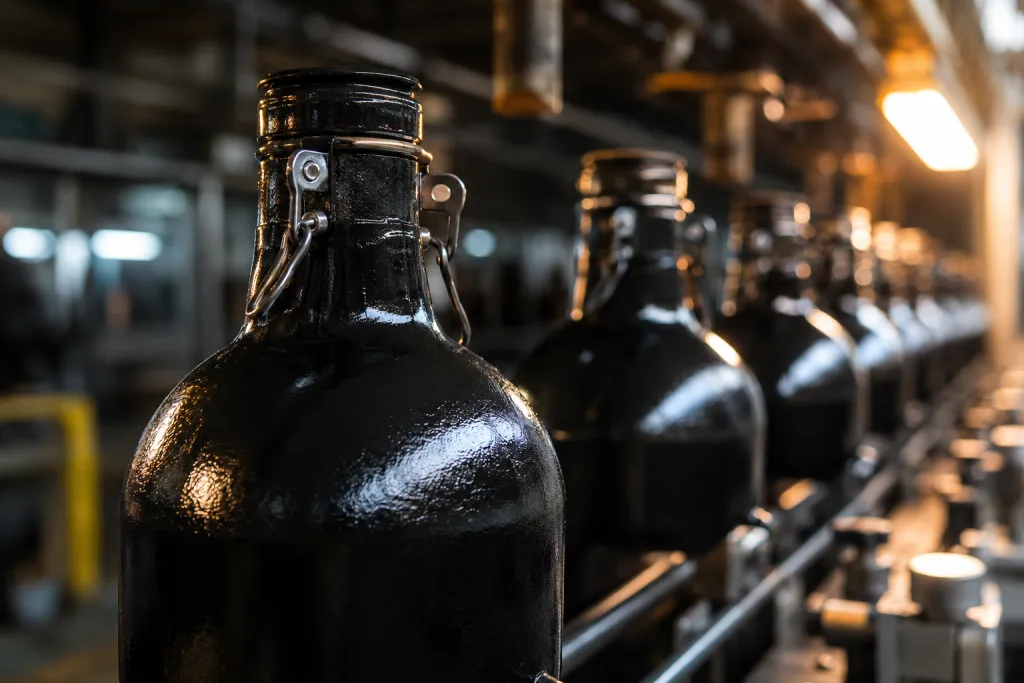
I’ll rewrite the prose in place, keep the HTML structure intact, and make it sound like a factory-side sales engineer wrote it.Powder coat and paint failures slip past a pre-production sample, then show up in the carton. Usually it is under-cure. The bottle passes visual check, then the coating scratches, chips, or turns soft around the shoulder after a few rubs on the line. For a beer tumbler bulk item or a matte beer tumbler wholesale bulk run that has to hold retail shelf appeal, we want the cure profile written down by batch, not taken on trust.
A clean factory spec lists oven temperature, dwell time, and coating thickness. On stainless growlers, 60–80 μm is a workable band for standard matte finishes; go thinner and wear-through starts early, go thicker and the edge can turn brittle. At our Zhejiang plant, QC checks the oven chart every shift, and we pull any lot when the gloss shift runs over the approved master by more than 5 points. That is the wrong place to save 20 minutes.
- Demand coating thickness reports from the first and last shift
- Match Pantone, then confirm gloss level and texture with the master panel
- Ask for adhesion data after cross-hatch and tape pull
For drinkware wholesale and drinkware bulk programs, the coating is part of the sales promise. We’ve seen soft-touch finishes look sharp on day one and then pick up oil marks after two weeks in a gym bag. One buyer flagged a PO typo on finish code M-07, and the line caught it before spray; that kind of detail matters more than a low FOB quote.
Material Choice Changes Everything
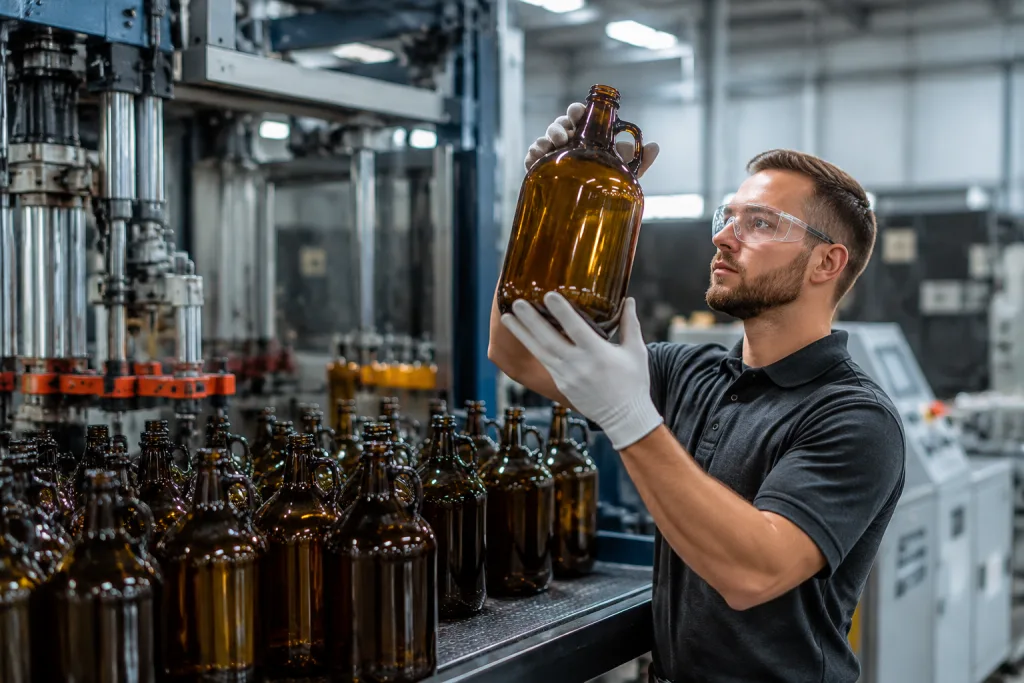
I’ll rewrite the four paragraphs in a more field-tested sales tone, keep the HTML structure untouched, and work in one concrete shop-floor detail per paragraph.Material choice drives the risk from day one. A glass growler looks clean on the shelf, but it weighs more, cracks easier in transit, and pushes freight and packing cost up fast. Stainless is tougher, though welding, insulation, and coating each add their own failure point. If your customer wants a bulk canteen or canteen bulk program that also behaves like a growler, we need to know up front whether the build is single-wall or insulated. QC pulled a split sample last week, and the buyer flagged the weight difference before we even got to cartons.
For canteen wholesale and wholesale canteen orders, wall thickness is not a cosmetic line item. On single-wall stainless, 0.4–0.5 mm is the usual range for promo runs that need a sharp price. On insulated bottles, we check the inner and outer wall for vacuum hold and weld consistency, because one bad seam kills the whole lot. If the bottle goes out as wholesale drinkware for cold drinks, the thermal claim needs a test standard, not a sales note scribbled on the PO. The math doesn’t work any other way.
Some buyers cross-shop a best wholesale drink bottle against a growler because one body can serve more than one channel. Fine. But then the factory has to know whether the same unit is going to retail shelves, hotel bars, or event giveaways. A sports cap that passes on a hydration bottle can fail on a beer growler bulk order, and we have seen that go sideways on the line. One PO typo on cap size turned into a 12-day rework.
When you source from Zhejiang or anywhere else in China, ask for the raw material certificate: 304, 316, or food-grade glass composition, based on the build. We run into suppliers who wave a material label around and stop there. That is the wrong question to ask. Ask for traceability, heat number, and batch record; if the buyer wants to push back, fine, but no certificate means no clean claim.
Printing Errors Are Quiet and Expensive
I’ll rewrite the section in place, keeping the HTML tags and link intact while making the copy sound like a factory-side sales engineer wrote it.Print issues rarely look dramatic. On sample day, the logo sits dead center; on mass production, it can walk 3–4 mm because the jig is loose or the operator changed fixture pressure. If you are buying wholesale drinkware, drinkware wholesale, or branded growler wholesale product, print repeatability matters just as much as color match.
Silkscreen is still the line we run for opaque logos. Laser engraving looks sharper on stainless, but it changes the finish and can miss a brand that wants a full-color retail look. If you need both, split art approval from process approval. See silkscreen vs laser engraving for custom drinkware for a cleaner process comparison.
Useful control points:
- Logo position tolerance: ±2 mm for round bodies
- Color delta target: within one approved Pantone drawdown
- Sampling: first article, midline, and pre-pack checks
We keep a master sample cabinet and a print log on the shop floor. QC pulled the sample, and the buyer flagged a 1.5 mm shift before packing, which is the kind of miss that turns into rework if nobody owns it. In Zhejiang, that habit separates a clean repeat order from a pile of scraps.
Packing and Carton Specs Decide Claims
I’ll rewrite the section in place, keep every tag and link intact, and tune the copy to sound like a factory-side sales engineer.Most sourcing losses show up after the bottle leaves QC. One weak carton spec and you get crushed corners, rubbed paint, or a lid dinged on the way out. For beer growler in bulk, growler bulk, and beer growler bulk programs, export packing is part of the deal. Set the inner protection, carton burst strength, and pallet stack height before you release the PO.
A working pack spec for metal drinkware starts with a 5-ply carton for heavy units, molded pulp or partition inserts, and a drop test target we can actually hit on the line. If the order goes to Amazon or a similar channel, we also need FNSKU labeling, carton labels, and polybag warnings. The buyer flagged this on a 300 ml run last month, so it is smart to review Amazon FBA drinkware packing requirements before release.
For larger bulk drinkware and wholesale bulk growler bottle shipments, carton count and net weight have to match the booking. A 10% weight gap can stall inbound receiving and add repacking charges. Ask for a packing list with gross weight, net weight, carton dimensions, and pallet count. If the supplier cannot send that cleanly, they are not ready for export work.
We see the same thing in Zhejiang all the time: the bottle passes, then the carton gets the claim. That is why QC must include compression testing and carton crush checks, not just bottle appearance. QC pulled one sample at 18 kg load and the side panel gave way after 12 minutes. That is the wrong place to save cost.
How To Spec A Clean Repeat Order
I’ll keep the HTML structure intact and rewrite the prose to sound like a factory-side sales engineer, with tighter wording and more production detail.To keep a wholesale bulk growler bottle order clean, we turn buyer intent into specs the line can hold. Start with the use case: beer, cold brew, water, or promo gifts. Then lock the body material, finish, cap type, print method, and pack format. If this SKU sits next to a bulk canteen or alcohol flask wholesale bulk line, give each one its own drawing and item code. Shared wording causes mix-ups, and the buyer usually spots it after the PO is already in.
A solid order pack usually includes:
- Signed golden sample with date and revision code
- Dimensional drawing with key tolerances
- Material declaration and test requirements: REACH, food contact, and if needed FDA or LFGB
- Inspection standard using AQL 2.5 for major defects and 4.0 for minor defects
- Lead time, usually 30–45 days for standard wholesale runs, 12 days vs 18 days once you add new tooling or special finishes
If you are comparing wholesale growler and wholesale canteen options, ask the factory to quote by process, not just unit price. We run into buyers who chase the cheapest FOB China number, then the math falls apart when print setup, carton compression, and extra QC checks get added back in. On our line, a 0.5 mm tolerance callout or a typo in the carton mark can change the whole schedule, so this is the wrong question to ask. The quote has to match how we ship.
Get a cleaner growler spec before quoting
Send us your target capacity, cap style, artwork, and carton requirement. We’ll quote with factory tolerances, MOQ, and lead time, not guesses.
Frequently asked questions
What MOQ should I expect for a wholesale bulk growler bottle?
For standard stainless or coated growlers from Zhejiang, MOQ is usually 3,000 to 5,000 pcs per SKU. If you need a new mold, special lid, or custom box, expect 5,000 to 10,000 pcs. Simple color changes are easier; complex printing or vacuum insulation pushes the MOQ higher because line setup and QC time increase. For repeat orders, many factories can mix 2–3 colors only if the total volume stays above the line minimum.
What price range is normal for beer growler wholesale bulk orders?
A plain stainless beer growler wholesale bulk order can start around USD 3.20–5.80 FOB China depending on size, wall thickness, and lid type. A coated, branded, boxed version often lands at USD 5.80–9.50. Vacuum-insulated models, premium caps, and laser engraving can go higher. If a quote looks far below that range, check whether it includes real packaging, proper gasket material, and export cartons. Cheap quotes often remove the parts that prevent claims.
How do I test leak risk before mass production?
Ask for three checks: inverted leak testing, closure torque testing, and drop testing on packed samples. For carbonated use, request pressure-style testing if the factory can do it, or at minimum a tighter seal validation on the exact cap and gasket. A practical lot standard is 100% visual mouth inspection and sampled functional testing under AQL 2.5. Do not approve a water-only sample if the final use is beer or any pressurized beverage.
Can I use the same factory for bulk drinkware and wholesale canteen lines?
Yes, if the factory has separate tooling and QC for each shape. A bulk canteen or canteen wholesale line often shares raw material and coating systems with growlers, but the closure, neck finish, and usage standard differ. You should insist on separate drawings, SKUs, and inspection sheets. In China, mixed-category factories work well when they document changeovers. If they cannot keep item codes clean, you will get carton mix-ups and decoration errors.
What compliance documents should I request from a China supplier?
For drinkware wholesale and wholesale drinkware orders, ask for food-contact declarations, REACH where relevant, and material certificates for stainless steel or glass. If the product is for Europe, LFGB testing is often useful. For retail channels, also request carton dimensions, gross weight, and barcode/label proof if needed for FNSKU or warehouse intake. A reliable Zhejiang factory will also provide inspection reports, photos, and a packing list before shipment.