Key Takeaways
- A serious tea bottle supplier should quote MOQ, lead time, and FOB price in the first reply; for custom stainless tea bottles, MOQ often starts at 1,000–3,000 pcs.
- For vacuum tea bottles, 18/8 stainless steel, 0.4–0.5 mm wall thickness, and a 0.8–1.2 mm PP lid seat are common specs you can actually verify.
- A practical QC plan uses AQL 2.5 for critical defects and 4.0 for minor issues, plus leak, drop, and lid-torque checks before shipment.
- If you need canteen customizable or customized drinkware programs for retail or promotions, ask for artwork proof, carton marks, and FNSKU-ready packing before production starts.
You are not buying a “tea bottle.” You are buying a part that has to survive sourcing, branding, filling, packing, and the first round of customer complaints without blowing up your team’s day. If you are a procurement manager, brand owner, or distributor, the real job is finding a tea bottle supplier who holds tolerances, replies fast, and ships what was promised. In Zhejiang and across China, plenty of factories say they can do custom work. Fewer can repeat it on the line.
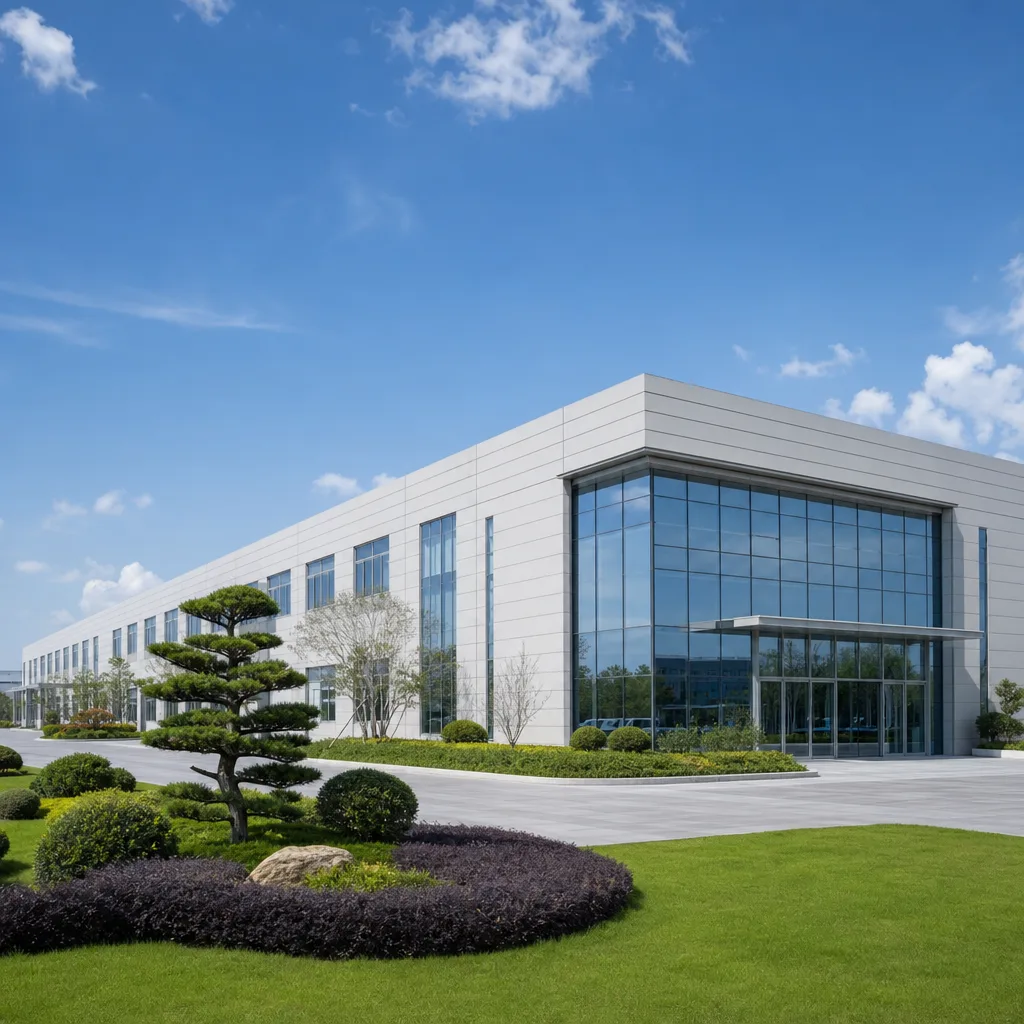
The clean way to judge a tea bottle supplier is to walk one order end to end: material choice, logo method, lid fit, leak test, carton spec, inspection standard, and delivery date. That is how you separate a canteen manufacturer from a canteen vendor, or a real canteen factory from a middleman. At BottleForge in Hangzhou, Zhejiang, we run about 300,000 units per month, so the math has to hold. One PO typo on the carton count can turn into a shipping headache. You should expect that same discipline from any canteen supplier or custom drinkware partner in China.
Start with the buyer scenario
I’ll rewrite the prose in place, keep the HTML exactly as-is, and preserve the heading and list structure. Then I’ll do a quick pass to make sure the wording sounds like an export sales engineer, with concrete factory detail and no AI-style filler.Picture this: your team needs 8,000 insulated tea bottles for a winter promo. Half goes to a distributor network, half sells through your own e-commerce channel. The bottle must hold 500 ml, keep tea hot for 6–8 hours, and land before a launch that is 55 days out. This is not a catalog request. It is a sourcing job with a hard clock and no room for loose specs.
So the first question is not whether the tea bottle looks good. It is whether the tea bottle supplier can turn your market brief into factory language. For a branded program, we need the supplier to confirm material grade, surface finish, logo method, cap structure, carton drop test, and sampling timeline. If they cannot write that down, they are not ready for custom drinkware. One Zhejiang line we run always asks first: retail shelf, corporate gift, Amazon FBA, or a campus promo run? That is the right question, and the wrong supplier will dodge it.
One clean test: ask for a full quotation with unit price, MOQ, mold fee if any, lead time, and carton size. A real factory should send one sheet, not four WeChat replies. If they quote $2.10 FOB Ningbo for a basic 500 ml single-wall canteen or $4.80–$6.20 for a vacuum tea bottle, they should also say what moves the number: wall thickness, lid type, coating, and print area. QC pulled a sample last month and the buyer flagged a 3 mm carton mismatch; that is how these jobs go sideways if the paperwork is sloppy.
Turn your spec into a clean quote
I’ll rewrite the prose in-place, keep the HTML structure intact, and make it sound like a factory-side RFQ note with concrete specs and quote logic.Buyers get burned when the spec is loose. “Stainless tea bottle” can mean a 304 inner wall, 201 outer shell, 350 ml, 500 ml, or 750 ml body; glossy powder coat or matte spray; tea infuser basket or none. We run quotes every week where the buyer flagged one missing line and the price moved 18% overnight. If you want a customizable canteen or customizable growler for a mixed-channel order, write the spec like a factory would: capacity, material, color, logo, lid, finish, and packing.
A clean B2B RFQ reads like this: 500 ml double-wall vacuum tea bottle, 18/8 inner, 201 outer, 0.45 mm body, SUS304 tea filter, laser logo 40 x 25 mm, matte black, individual white box, 24 pcs per master carton. That one paragraph saves days at the line. It also keeps canteen manufacturers quoting the same thing, not three different versions. If you need canteen customized for a distributor program, say whether you want retail hangtags, barcode labels, or a custom insert card; we’ve seen PO typos on all three.
Price moves with detail. In Zhejiang, a simple printed custom canteen may land under $3 in large quantities, while a powder-coated vacuum tea bottle with infuser and gift box can land between $4.50 and $7.50 FOB depending on order size. That spread is normal. The wrong question is “why is it higher?” QC pulled the sample and found a 0.2 mm wall variance, then the quote changed. What is not normal is a supplier who gives one number without asking for wall thickness, lid material, or print method.
- Ask for capacity tolerance, usually ±3% on volume.
- Confirm lid fit and gasket material, usually food-grade silicone.
- State print position in millimeters, not “centered.”
- Request sample lead time in days, not weeks.
Choose the right materials
I’ll rewrite the prose in-place, keep every HTML tag unchanged, and tighten the language so it sounds like a factory-side sales engineer wrote it.Material choice is where first-time buyers burn money or miss the spec. For tea bottle runs, stainless steel is still the default because it handles 90°C tea, odor, and carton-to-port abuse better than glass. A real canteen manufacturer will spell out 304 vs 316, then 0.4 mm vs 0.5 mm wall thickness. You do not need the heaviest wall on every order, but you do need enough stiffness for vacuum retention and cap alignment. QC pulled one shell at 0.38 mm last month, and the lid sat 1.2 mm off center. That line failed before packing.
For hot tea, a double-wall vacuum build with a 304 inner liner is the normal baseline. If the bottle is going into premium retail, 316 inner steel can justify the upgrade, but only when the margin can take it. For low-cost promo work, a single-wall canteen promotional item is often the right call, since the buyer usually wants logo area and a sharp landed price, not a thermal claim. If you are buying a custom growler or customized growler style for tea or cold brew, check the handle, mouth diameter, and closure for repeated pouring. Growler shapes look good on a shelf, then the buyer flags the lid thread after 200 open-close cycles.
Coatings and safety papers matter on day one, not at the end. For export orders, ask for REACH and LFGB where needed, and confirm FDA testing for any food-contact parts if the market calls for it. For North America retail, buyers often ask for ASTM-style drop resistance or supplier in-house drop testing; we run that test with a 1.2 m drop on concrete, no drama. Good canteen distributors do not treat compliance as a checkbox. They bake it into the material spec.
“If the supplier cannot tell you the steel grade, gasket material, and coating thickness, you are not sourcing a product. You are sourcing a problem.”
QC the sample like a skeptic
I’ll rewrite this section in-place, keeping the HTML and structure unchanged while making the prose sound like a field-tested sales engineer wrote it.The sample stage is where a tea bottle supplier proves they know the line, not just the quote sheet. Don’t stop at looks. Check lid threading with a torque cap gauge, seal compression, tea infuser fit, spout feel, coating evenness, and whether the bottle sweats after a 30-minute hot-fill test. If the sample has a crooked logo or the cap squeaks, the bulk run will not fix itself. We’ve seen that go sideways on the first pallet.
For a serious order, ask for two samples: one pre-production sample and one control sample sealed for reference. Put them side by side with a simple checklist. Measure mouth opening, body diameter, and bottle height in mm. If the supplier is a real canteen supplier, they should take your marked-up notes and turn a revised sample without drama. A canteen vendor that pushes back on basic corrections is showing you how they handle a PO after the deposit lands.
This is where you find out whether they can ship customized drinkware at scale. For a custom canteen program, one clean sample means nothing unless they can repeat it. Ask for a photo record of the sample build, plus the fixture or jig used for logo alignment. We run into this in Zhejiang all the time: a factory can hand-make one good piece, then miss the print by 2.5 mm on 8,000 units. That is why first article inspection signoff comes before bulk starts, not after the buyer flags it.
- Leak test: invert for 60 seconds at room temperature.
- Hot-fill test: 90°C water, then check surface temperature and steam release.
- Thread test: open/close 20 cycles to check wear.
- Drop test: 76 cm to carton corners, if your packaging spec requires it.
Lock production and packaging
I’ll rewrite the three paragraphs in-place, keep every HTML tag intact, and make the copy sound like a real factory-side sales engineer.Once the sample is approved, production needs hard instructions. This is where a canteen factory should give you a schedule, not just a promise. For a standard custom drinkware order, we run 25–35 days after sample approval and deposit, then another 5–10 days for shipping depending on the lane. If a supplier in China says 10 days for a full custom program with printing, packing, and export documents, the math does not work. We’ve seen that claim before, and the order usually gets squeezed on the line or farmed out.
Packaging is not cosmetic. It changes damage rates, freight cost, and how your warehouse receives goods. If you are a distributor canteen buyer, ask for master carton dimensions, gross weight, and palletization before the order starts; QC pulled the sample on a 52 x 38 x 28 cm carton last week, and that one detail changed the cube count. If you are shipping into Amazon FBA, request FNSKU labeling, suffocation warnings if required, and carton markings that match the inbound plan. For retail or promotional programs, ask for canteen customizable packaging with UPC or EAN placement that your team can scan fast.
Good canteen manufacturers will also confirm carton drop testing and inner protection. A 500 ml stainless bottle in a 1.5 mm corrugated box may pass short road freight, but export pallets need better crush resistance. If your order is a canteen promotional campaign, keep the pack simple, but make it survive a warehouse toss; the buyer flagged it after a sample box split at the corner seam. A cheap box costs less than $0.20; one broken unit costs much more. That is the wrong question to ask if someone says packaging is “just paper.”
Control the inspection before shipment
I’ll rewrite the section in-place, keep every tag and the heading structure intact, and tighten the prose so it sounds like a factory-side buyer guide.Inspection is where a supplier earns repeat orders. Set the AQL before production starts, not after the line is full. For consumer drinkware, AQL 2.5 for major defects and 4.0 for minor defects is common; critical defects stay at zero. Define critical with examples: leakage, sharp edges, contaminated interior, wrong material, wrong logo, missing parts. If you leave that open, the factory will use its own version, and that is usually not yours.
A tea bottle order needs a real check list: dimension gauge, vacuum test, odor test, print adhesion, and carton verification. For canteen customized retail stock, we also check barcode, color code, and accessory count. A buyer who ships retail stock should ask for an inspection report with photos, not a clean pass/fail line. We run into this in Zhejiang all the time: fast output is easy, traceable output is the part that saves a claim later. One bad PO typo on a barcode can turn a good lot into dead stock.
At BottleForge, our outbound check includes 100% visual sorting on critical appearance points, random vacuum testing, and batch-level carton checks. QC pulled the sample, measured the lid fit at 0.2 mm, then flagged one loose cap on the first box. You should expect that level of control from any canteen supplier or canteen manufacturers partner. If the supplier cannot tell you what they test, they are not testing enough. That is where your return rate starts.
Use one rule: the more custom the product, the tighter the inspection. A customized canteen with laser logo, matte coating, and a special lid needs more control than a plain stock bottle. Same for a custom growler or other customizable drinkware item. The math does not work any other way.
Handle distributors and repeat orders
I’ll rewrite the section in place, keeping the HTML tags and tightening the prose for a buyer-facing factory voice.Once a launch turns into replenishment, the work changes fast. A distributor canteen account cares about match quality, not fresh ideas. The second PO has to line up with the first on shade, logo placement, and carton count. That is where a canteen distributor needs a steady canteen supplier, not just a low quote. If the program is promo-driven or seasonal, we ask for lock samples and a retained standard before the repeat run.
Repeat business changes the price too. After tooling, artwork, and carton specs are fixed, later runs can drop 3% to 8% if the packing line is cleaner or the quantity moves up. But a lower price with a softer spec is the wrong trade. We ship better repeat orders when the steel grade stays the same, the seal passes the same pull test, and the print method does not change. Saving $0.12 a unit is not a win if it creates claims later.
If you manage multiple SKUs, build one base spec and vary only color or logo. That gives you a family of custom canteen, customizable canteen, and customized canteen items without restarting the file every time. The same setup works for custom drinkware across bottle, tumbler, and growler programs. In Zhejiang, a supplier that can keep a repeat order steady is worth more than a shiny sample table.
What to ask before paying deposit
I’ll rewrite the section in place, keep the HTML exactly as-is, and tune the prose to sound like a factory-side sales engineer.Before you wire the deposit, ask the tea bottle supplier five straight questions and get exact numbers back: What is the material grade? What is the MOQ? How many days after sample approval until mass production? Which tests run before shipment? What packing spec will you use? If any answer stays fuzzy, walk. On our line, a serious canteen factory answers in specs, not slogans.
Ask if the factory is a real canteen manufacturer or just a trading layer. That changes who controls the line, who owns the defect, and how clean the pricing is. Trading is not always a bad setup, but the buyer should know who signs off on the sample. If you need canteen suppliers for repeat orders, direct factory contact wins. For a branded launch, ask for the business license, export records, and whether they already handle REACH, FDA, or LFGB paperwork for your market. For North America, carton compliance and label format should be on the table before you pay. We’ve seen this go sideways when the PO says “custom canteen” and the buyer expected full retail labeling.
A practical deposit checklist looks like this:
- Signed PO with item code and revision number.
- Approved sample photos and seal status.
- Artwork file in vector format.
- Packing spec with carton count and gross weight.
- QC standard with AQL and critical defect list.
Get those points in writing and the order stays on rails. Skip them, and you end up fixing typo-level mistakes later, like a carton count off by 12 or a missing seal note. That is the difference between buying from a canteen vendor and managing a supplier relationship that can hold volume.
Send your spec and get a real quote
Share capacity, material, logo, and packing details. We will turn it into a factory-ready tea bottle plan with clear MOQ, price, and lead time.
Frequently asked questions
What MOQ should I expect from a tea bottle supplier?
For a standard custom tea bottle, MOQ is often 1,000 to 3,000 pcs per design and color. If you need a special lid, printed box, or matte coating, the practical MOQ may move to 3,000 pcs. Stock items can be lower, sometimes 300 to 500 pcs, but that is not the same as true custom drinkware. A real canteen supplier should state MOQ by decoration method, not give you one number for everything. In Zhejiang, factories with stable export lines usually keep MOQ tied to tooling and packing cost, which is the honest way to quote.
How much does a custom tea bottle cost FOB China?
A simple printed stainless tea bottle can start around $2.20 to $3.20 FOB China at larger quantities. A double-wall vacuum model with tea infuser, powder coating, and gift box often lands between $4.80 and $7.50 FOB, depending on order size and finish. Laser logo is usually cleaner and more durable than one-color silkscreen, but it may cost more on setup. If you are comparing canteen manufacturers, compare the full landed spec: body material, lid type, box, and test requirements. That is the only way to judge price fairly.
What QC tests should I request before shipment?
Ask for leak testing, vacuum retention, visual inspection, logo adhesion, carton drop checks, and dimensional verification. For a normal order, AQL 2.5 for major defects and 4.0 for minor defects is a workable starting point; critical defects should be zero. If the bottle is for hot tea, ask for a 90°C fill test and confirm no steam leakage at the cap. If you are buying customized canteen stock for retail, also request barcode and label verification. A good canteen factory in China will document these checks with photos and batch numbers.
Can I order a canteen customizable model with my own logo and box?
Yes. Most canteen suppliers can handle logo printing, laser engraving, color coating, and custom boxes if you give them artwork early. A simple custom canteen program may only need your vector logo and carton text, while a premium customized canteen order may also need inserts, hangtags, and retail labels. Expect a sample lead time of 5 to 10 days and production lead time of 25 to 35 days after approval. If the supplier is a genuine canteen factory, they will ask about artwork placement in millimeters, not just say “send logo.”
How do I know if I am dealing with a real canteen manufacturer?
A real canteen manufacturer can explain material grades, show you production steps, quote lead time by process, and give you QC terms in writing. They should be able to answer whether the inner wall is 304 or 316, what the wall thickness is, how the lid seals, and what packing standard they use. In Zhejiang and other manufacturing hubs in China, there are many trading companies, so ask for factory photos, export documents, and recent batch records. If they only show pretty samples and avoid technical questions, treat them as a sales layer, not a canteen manufacturer.